
Photographs and documentation
A record of the work
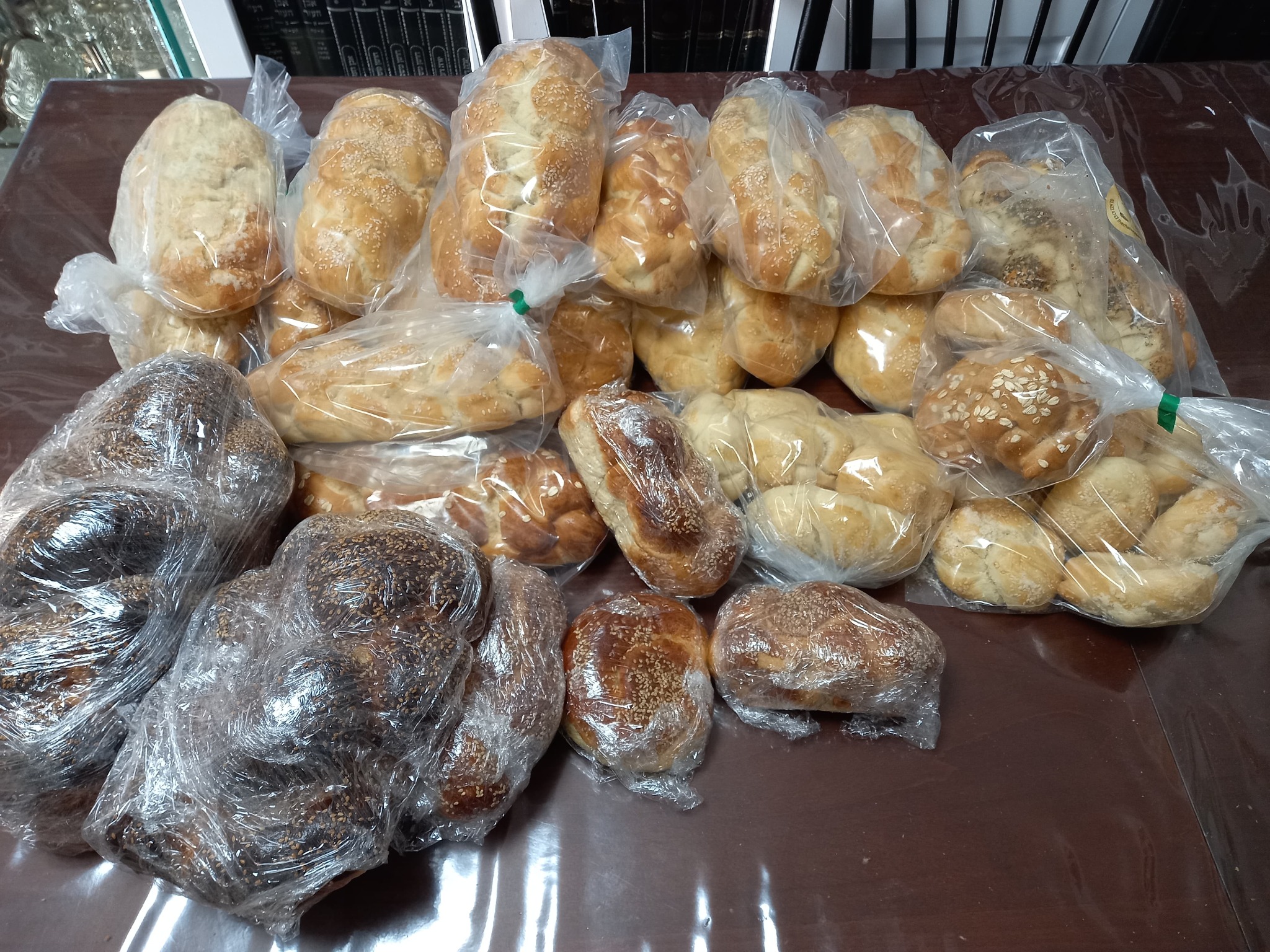
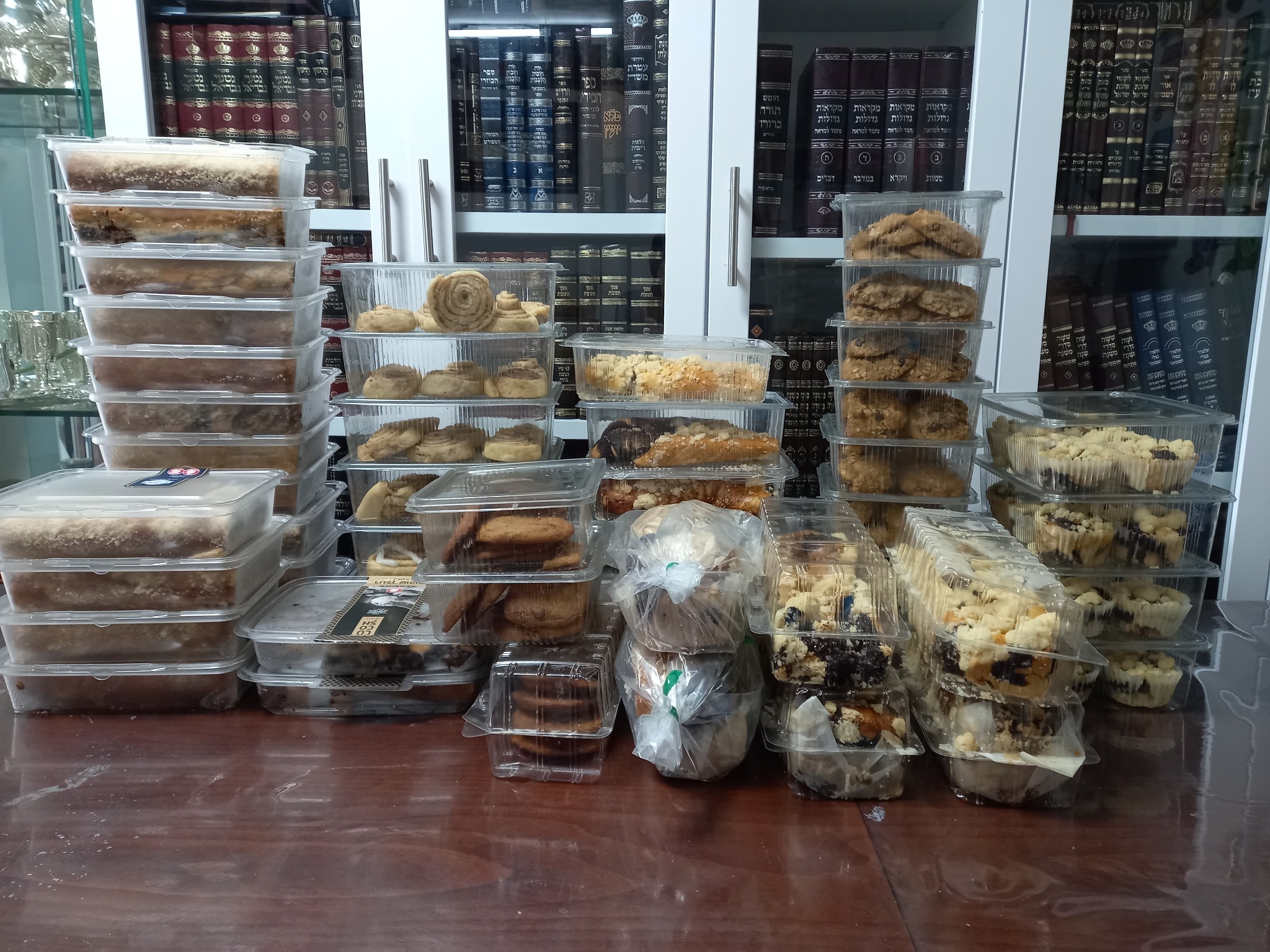
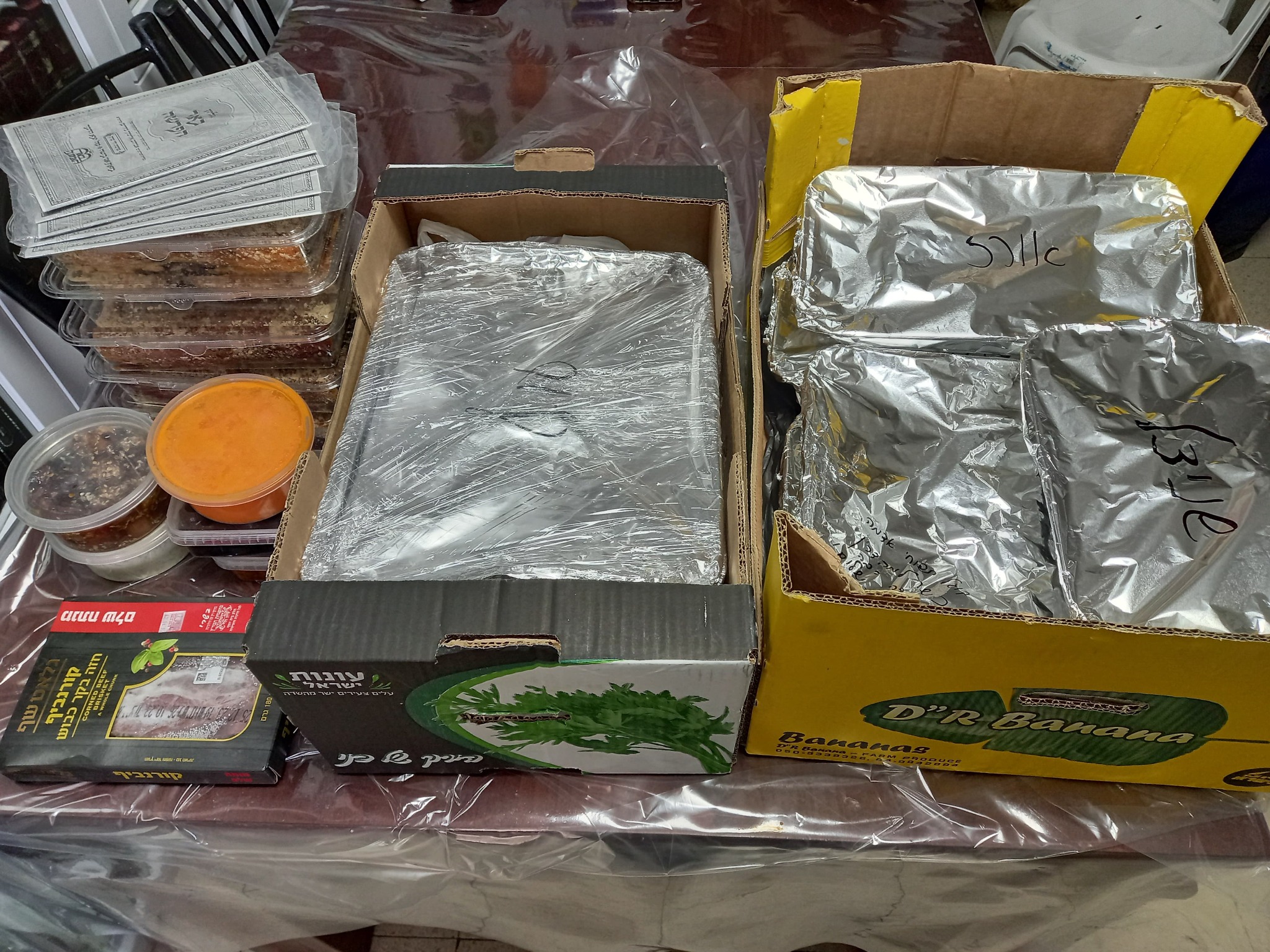
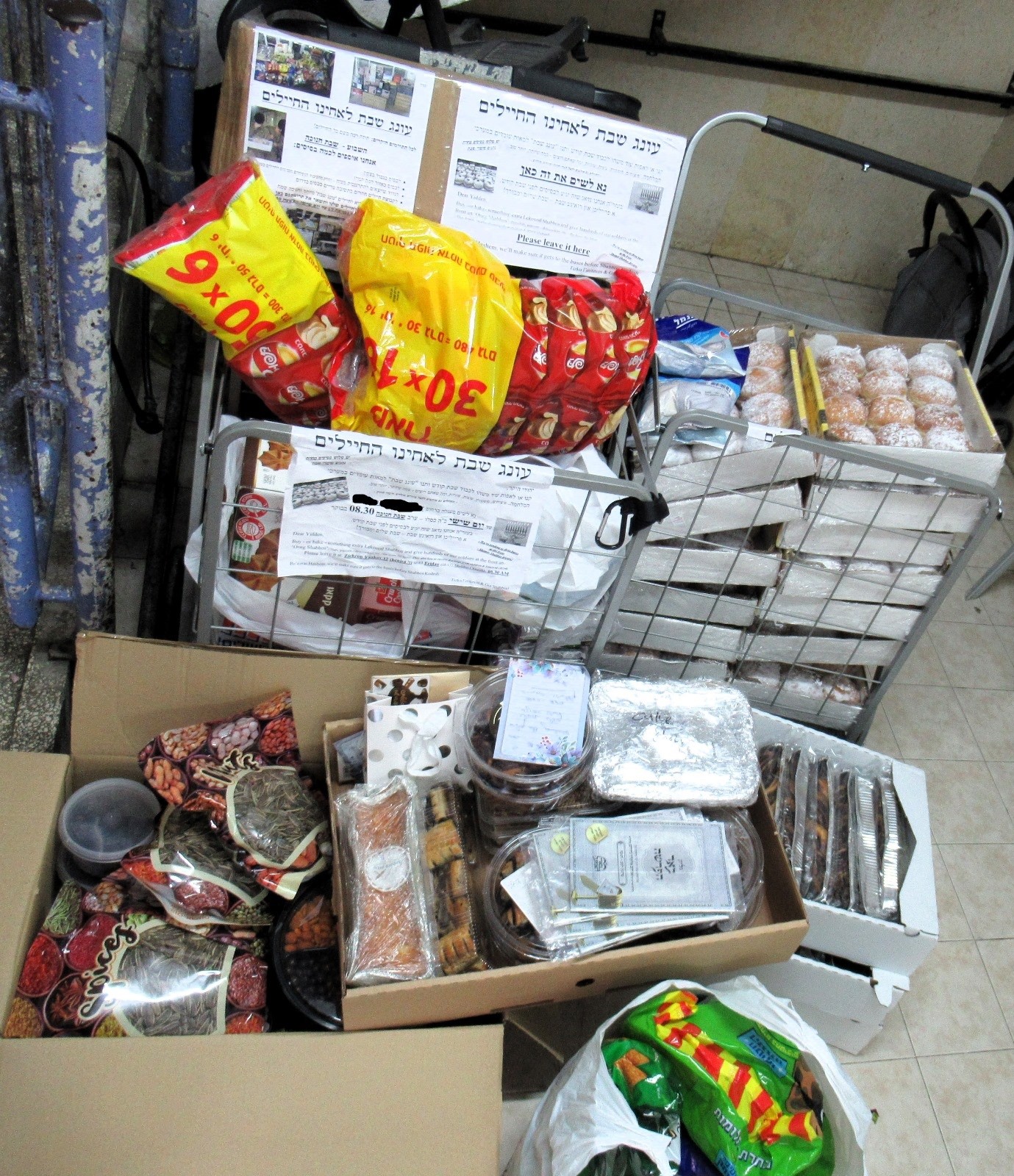
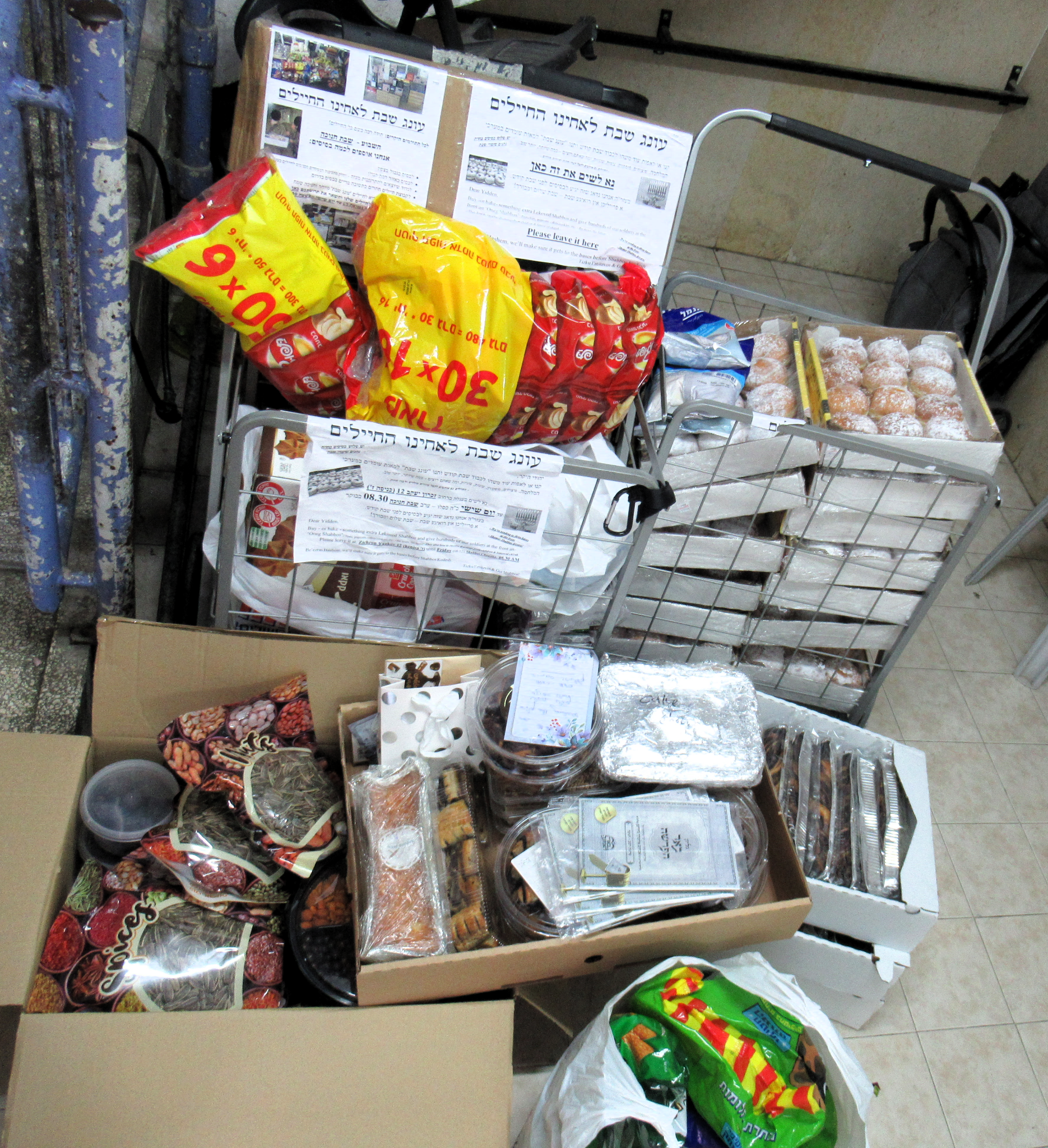
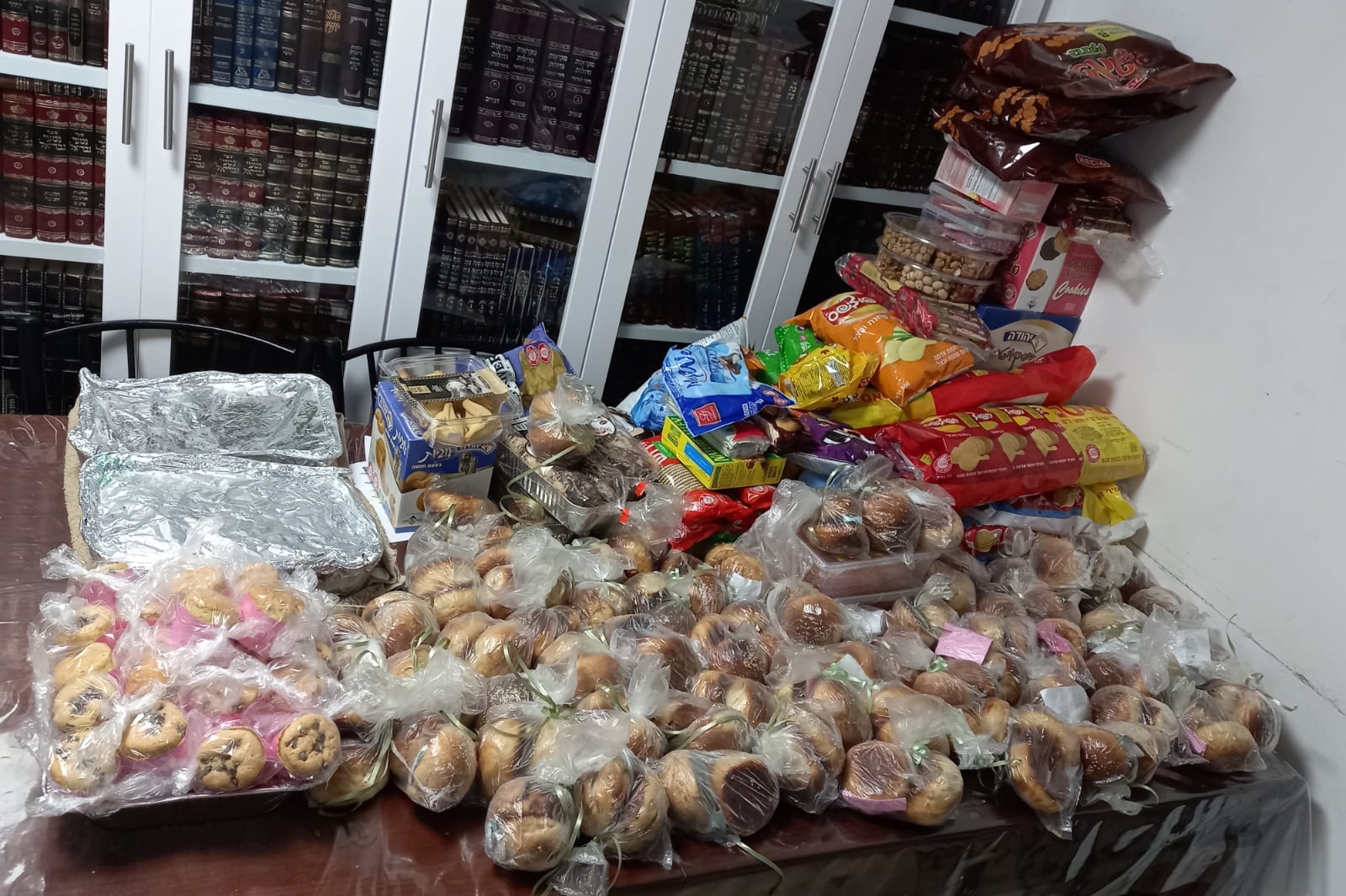
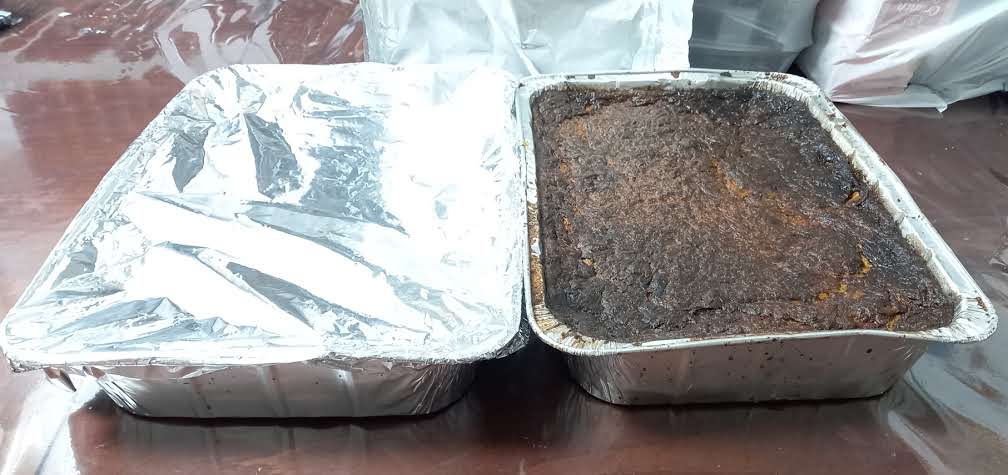
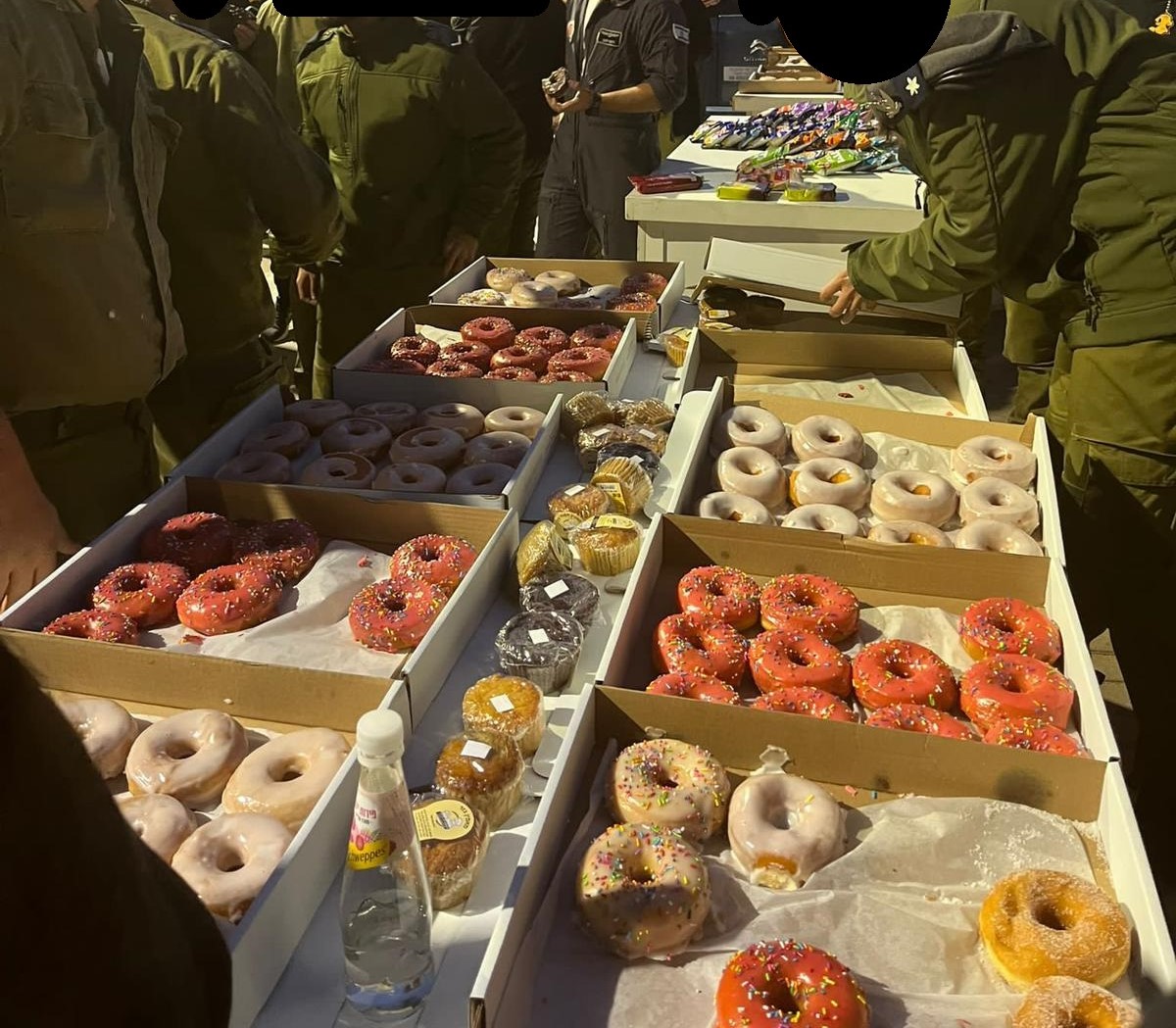
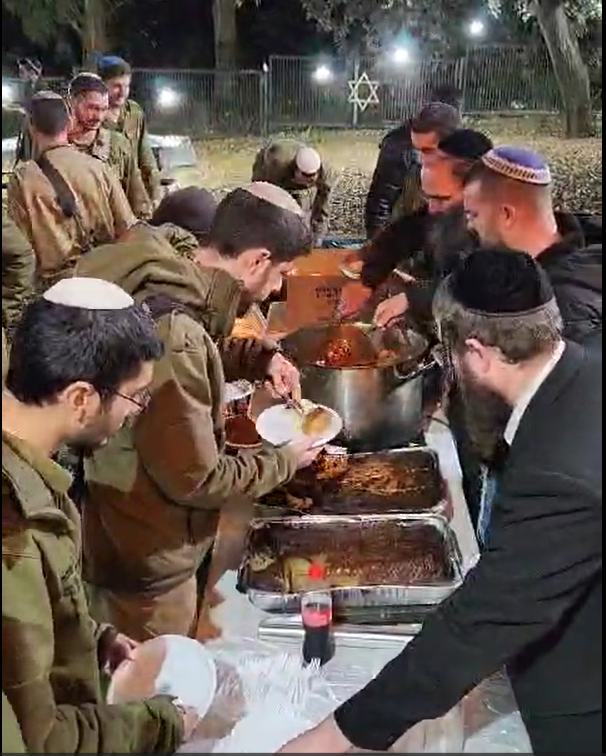
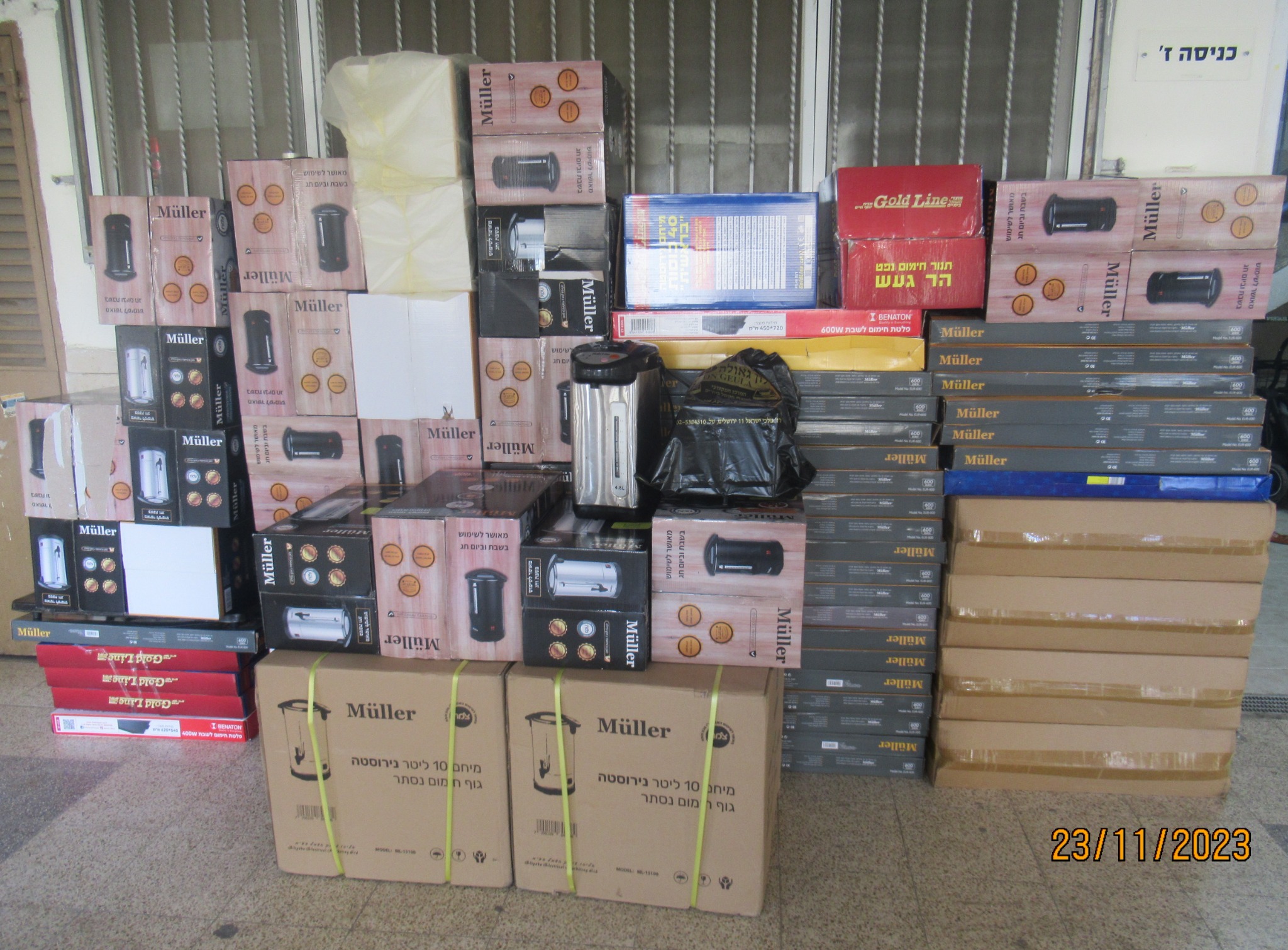
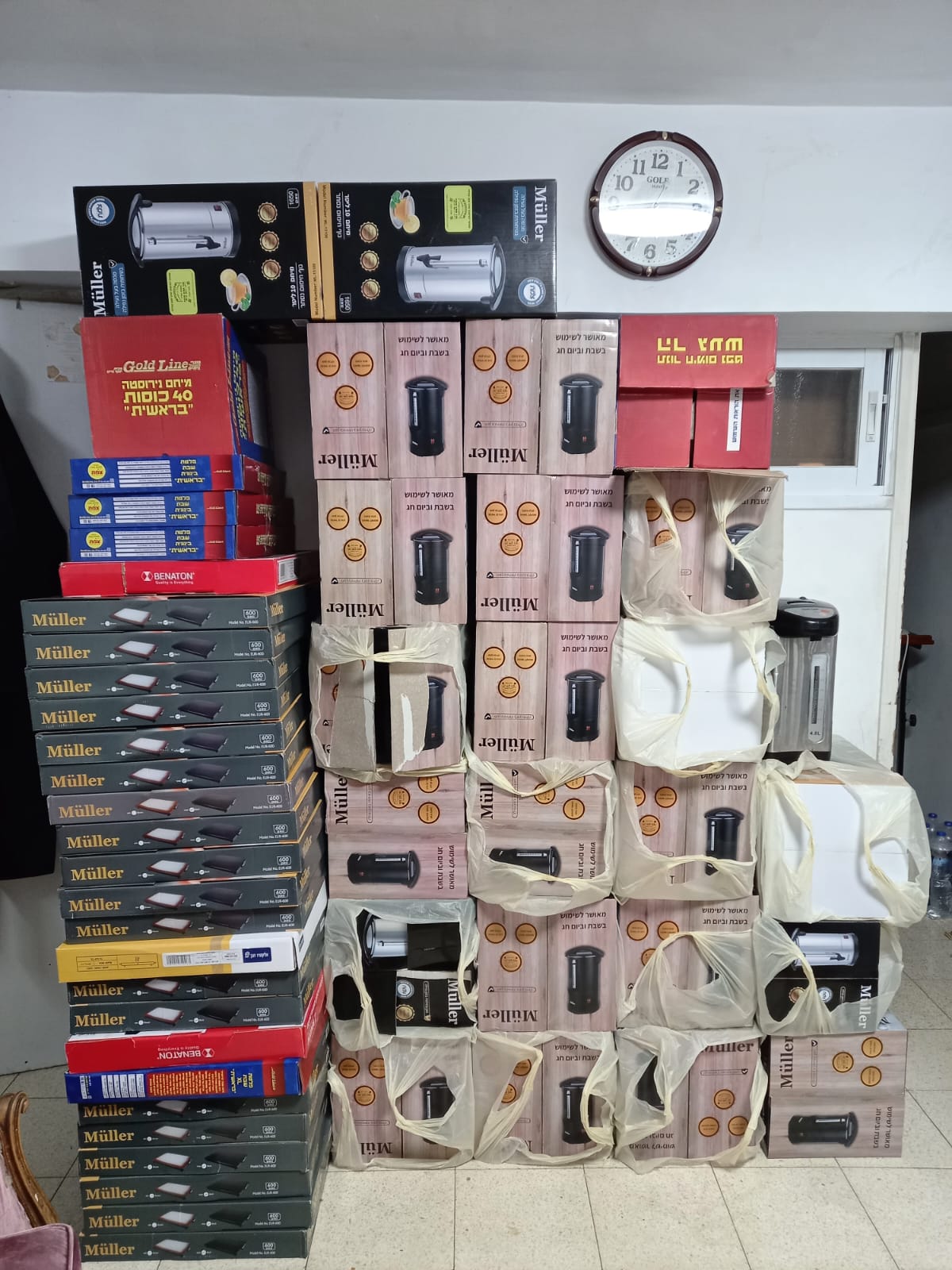
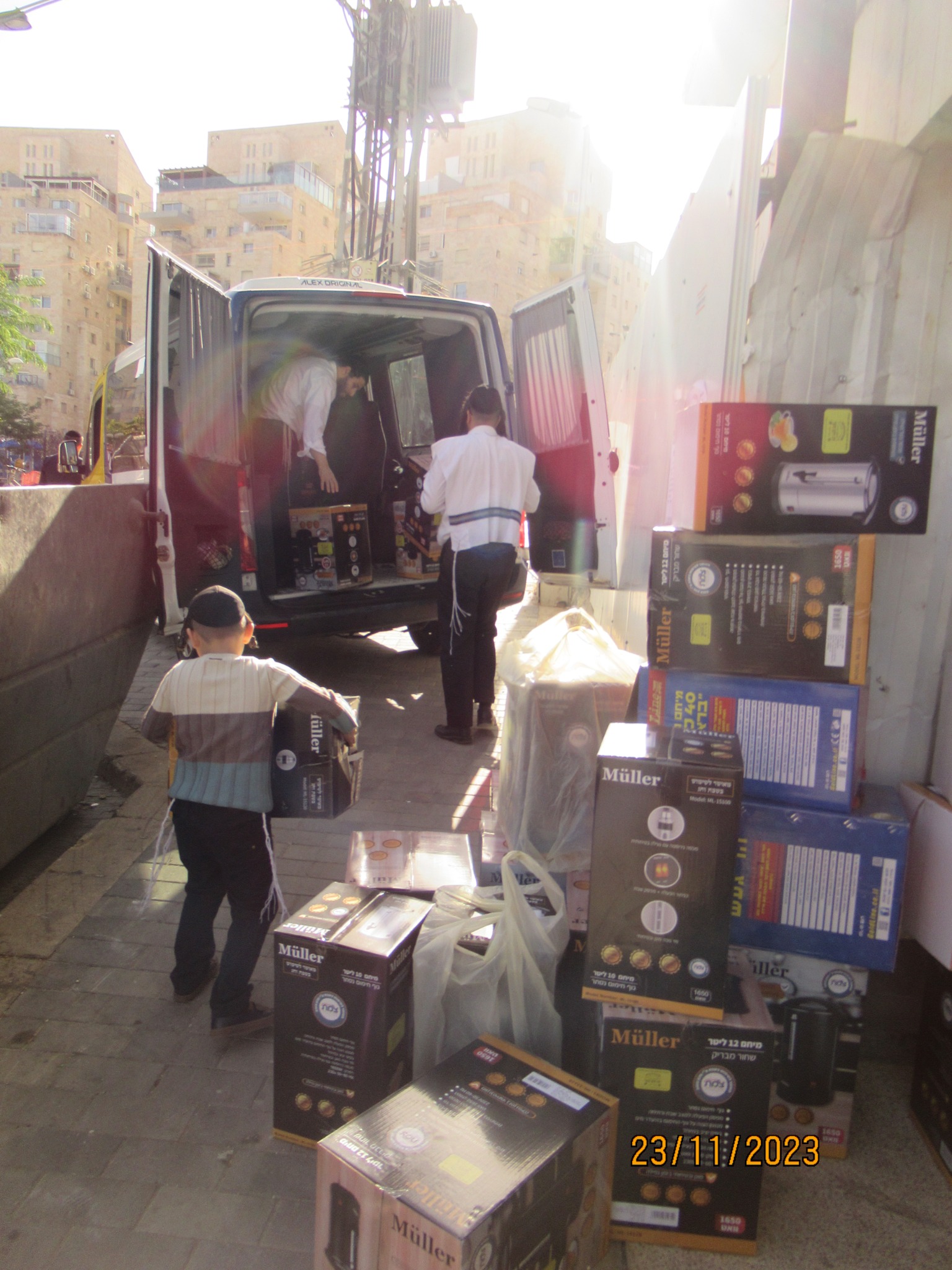
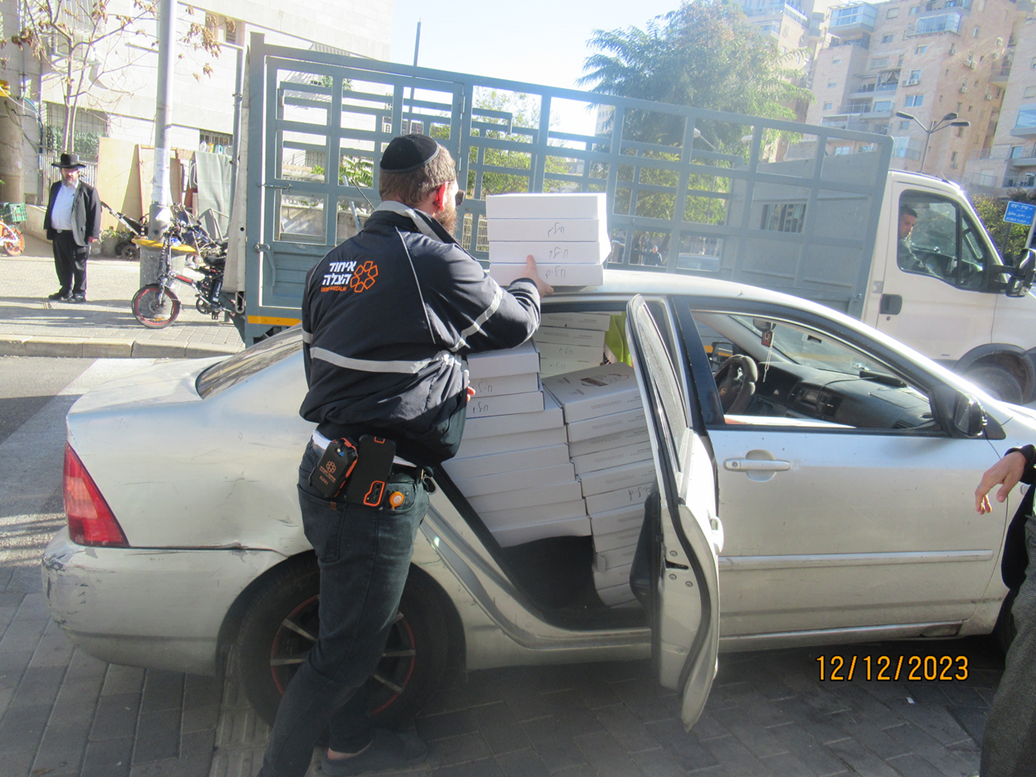
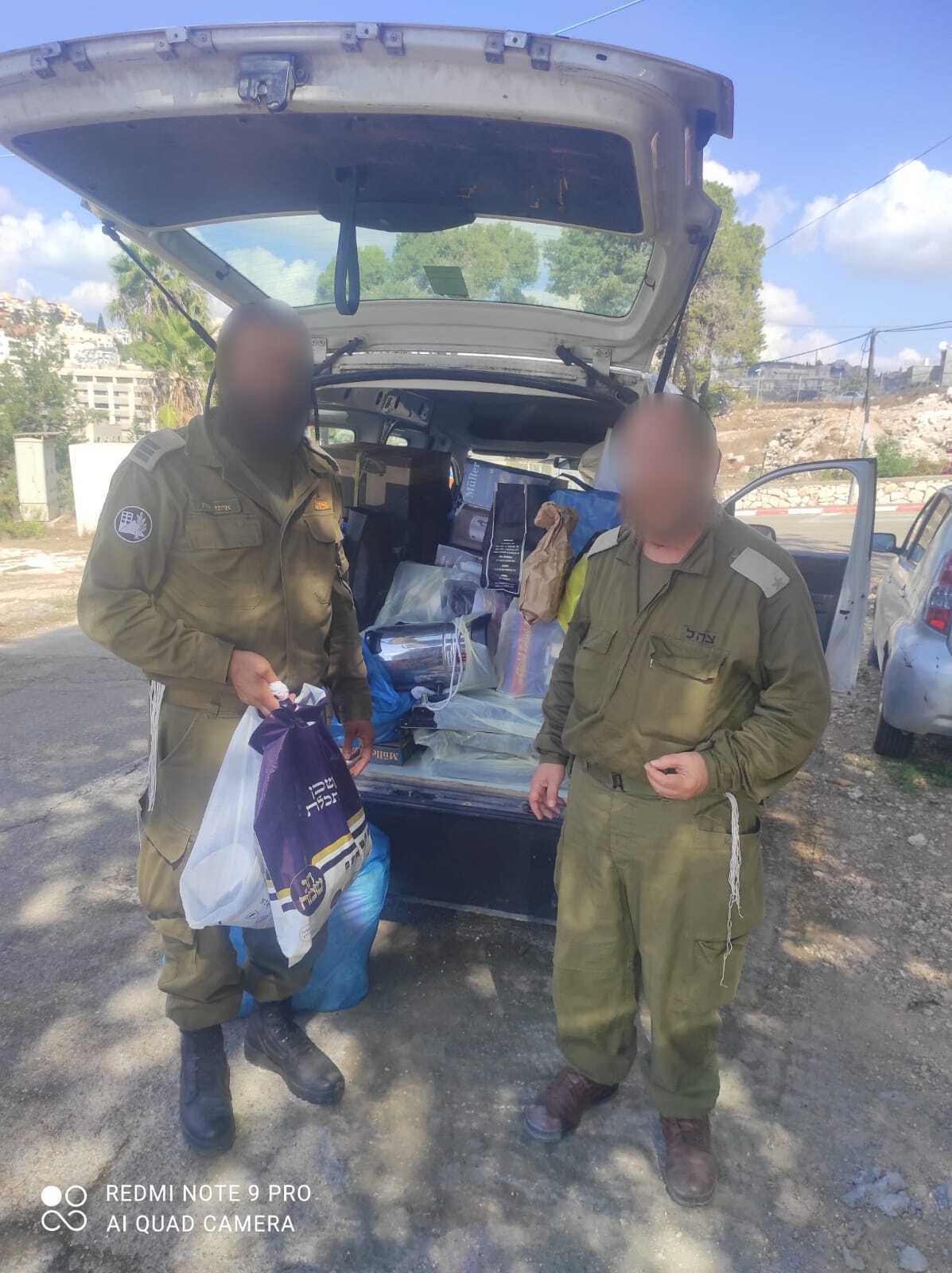
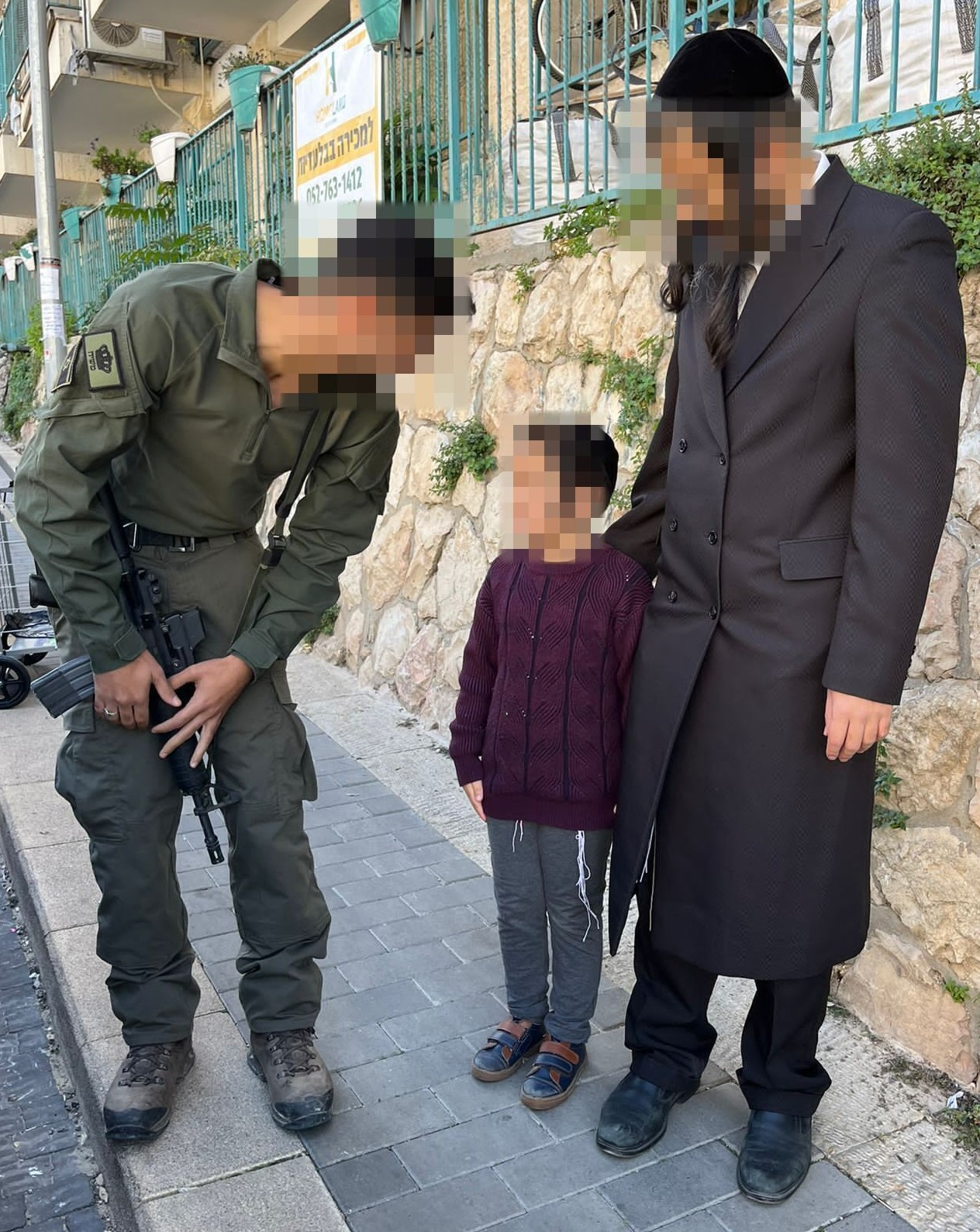
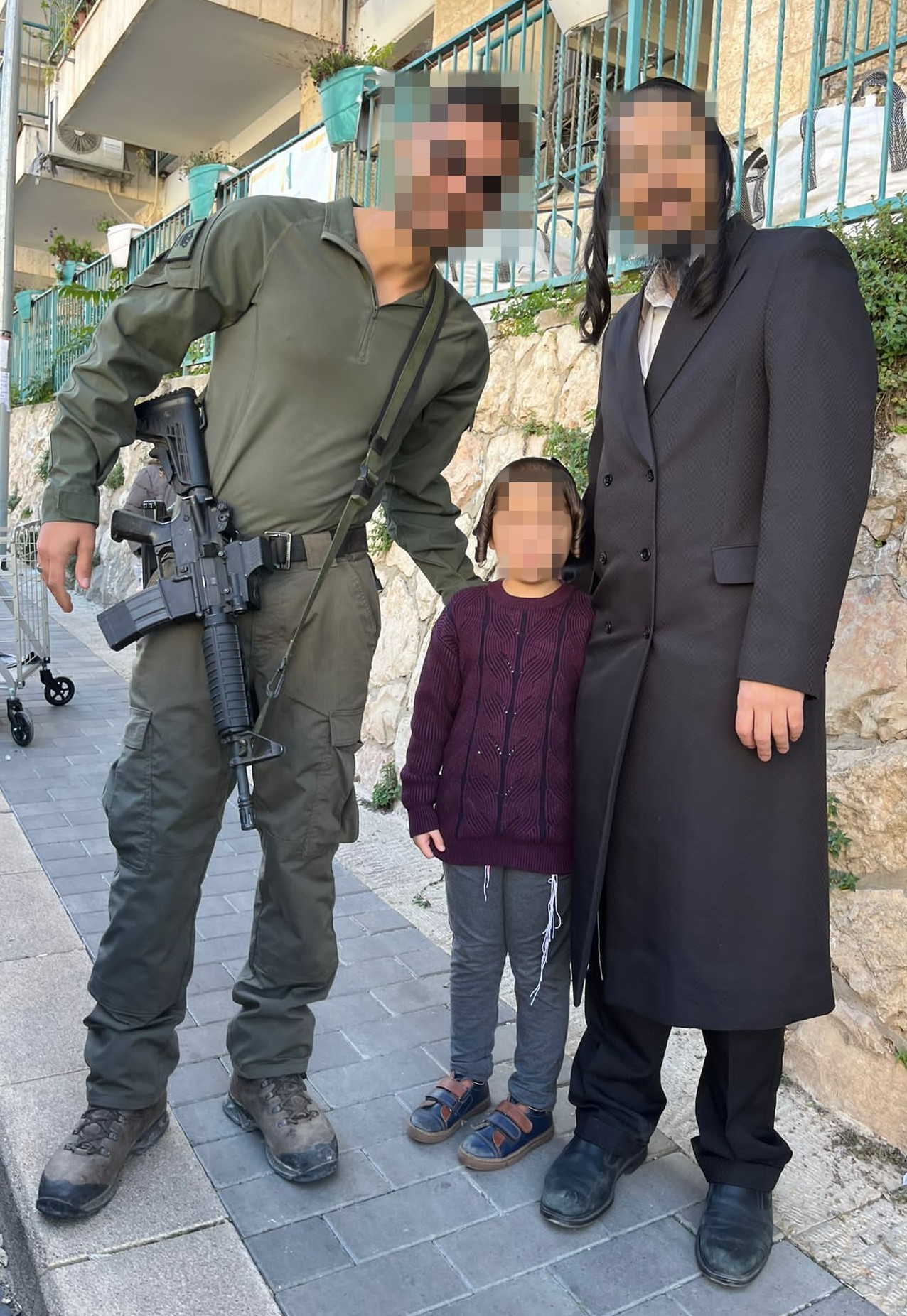
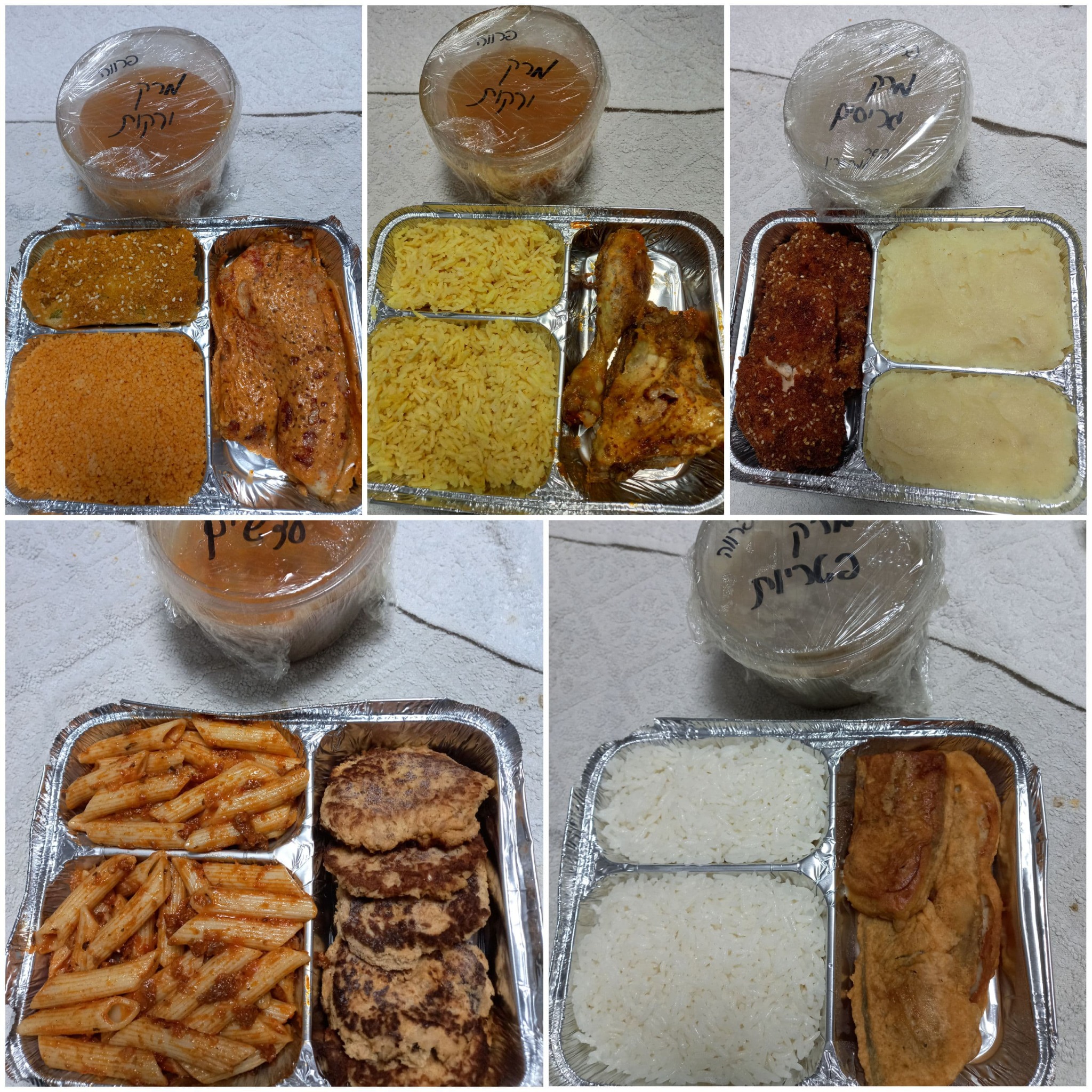
The photographs and short videos below show equipment prepared for delivery, Oneg Shabbos packages, challos, cakes, hot meals and the volunteers who helped bring them to soldiers. Identifying details were withheld wherever operational security, military regulations or privacy required it.
This is only a fraction of what was sent. For the full year and a half that the project remained active, food, refreshments and equipment went out week after week. Many deliveries were never photographed, and even the weeks documented here often show only part of what left that week.
Short videos from the project
These brief clips preserve a few more moments from the preparation, transport and arrival of the weekly assistance.
View the original project website →
The need
Shabbos necessities for newly mobilised bases
When approximately 360,000 reservists were called up at the beginning of the war, bases throughout Eretz Yisrael suddenly had to accommodate an extraordinary number of soldiers. Many bases—particularly temporary positions and those near the northern and southern fronts—were not supplied with enough basic Shabbos equipment.
For an army of the Jewish people, shemiras Shabbos cannot be treated as a secondary concern. Shabbos is not only something that must be protected even during difficult circumstances; it is itself one of the greatest sources of protection for Klal Yisrael.
Many locations lacked platot to keep prepared food warm without cooking on Shabbos. Others had no suitable hot-water urns. For soldiers committed to shemiras Shabbos, these were not conveniences, but basic necessities. Requests therefore reached us from individual soldiers, bases and representatives of the IDF Rabbinate.
The response
From an immediate request to eighteen months of work
During the first week of the war, we began collecting new and good-quality used equipment and purchasing additional platot and large hot-water urns. The first request—14 warming plates, 12 urns, siddurim, zemiros and kippot—was fulfilled in its entirety, Be’ezras Hashem.
Further requests continued arriving for a full year and a half. Some bases needed only one or two items; other requests were considerably larger, including one transmitted through the military rabbinate in the north for dozens of platot and urns. What began as one response developed into a coordinated network of purchasing, collecting and delivering equipment, meals and refreshments wherever they were needed.
What was accomplished
Shabbos equipment across Eretz Yisrael
The equipment reached bases and positions near Israel’s northern and southern borders. Some deliveries travelled directly to bases; others were transferred through commanders or volunteers who could bring them onward to more remote units. Each item remained available for repeated use over many Shabbosos.
Food and refreshments
More than equipment alone
Oneg Shabbos packages were sent to two northern-front bases serving approximately 300 soldiers and to several bases in the south. They included cakes, cookies, snacks, popcorn, nuts, pitzuchim, sweets and other refreshments. Some reached bases near—and positions within—Gaza, with commanders carrying packages onward to more distant units.
Working with volunteers, we also arranged hot mehadrin Shabbos meals for a unit in the south. A small group of Chareidi soldiers at a remote northern base had no mehadrin food and had been living almost entirely on vegetables. We began providing suitable mehadrin meals for both weekdays and Shabbos.
The volunteers
Delivering across the country
Volunteer drivers collected equipment, food and refreshments and carried them to bases across the country, sometimes travelling considerable distances and entering areas close to the fronts. They paid for their own fuel and declined reimbursement, asking for nothing beyond the zechus of helping other Yidden and strengthening the soldiers’ ability to observe Shabbos.
Strengthening shemiras Shabbos under difficult conditions
Chazal teach: כל המשמר שבת כהלכתו… מוחלין לו—“One who observes Shabbos according to its halachos… is forgiven” (Shabbos 118b).
A soldier may be far from home and surrounded by danger, yet Shabbos remains Shabbos. In a Jewish army, the ability to observe it properly should never be regarded as an optional comfort. Shabbos is among the foundations of Klal Yisrael, and the very Shabbos we safeguard is itself a source of shemirah.
The familiar words of the zemirah expressed the hope accompanying this project: כי אשמרה שבת — קל ישמרני. For a full year and a half, we sought to help Jewish soldiers keep Shabbos and thereby add another zechus and source of shemirah for them and for all of Klal Yisrael.
Campaign outcome
A year and a half of practical assistance
- 75 large platot delivered
- 62 hot-water urns delivered
- siddurim, zemiros and kippot supplied
- Oneg Shabbos refreshments for hundreds of soldiers
- mehadrin Shabbos meals for soldiers in the south
- weekday and Shabbos meals for Chareidi soldiers in the north
- deliveries to bases and positions across Eretz Yisrael
The original appeal is no longer active. This page remains as a record of the needs that arose, the response that was organised and what contributors and volunteers made possible together.