Personal chessed. Practical action.
Chessed from the heart, carried into action.
לבך וידך exists to share genuine opportunities for chessed and allow others to take part. Some projects begin with a chair at our Shabbos table; others arise when a family is preparing for a simchah, when an almanah needs continued support or when another practical need comes to our attention.

Where help is needed now
Active Projects
More than one project may require support at the same time. Each has its own story, present needs and appropriate ways to participate.
A record of real work
Previous Projects
A project should not disappear when fundraising ends. Completed work remains here as a quiet account of what was undertaken and accomplished.
Continuity and transparency
All Projects
A Place at Our Table — Tishrei 5787
During Tishrei, we hope once again to open our home for approximately eighteen Shabbos and Yom Tov seudos, welcoming between ten and eighteen guests at each meal—roughly 300 places over one month.
Full campaign goal • Minimum needed ₪13,000 (approximately €3,754 / US$4,325)₪16,000 (approximately €4,621 / US$5,323)
Help This Project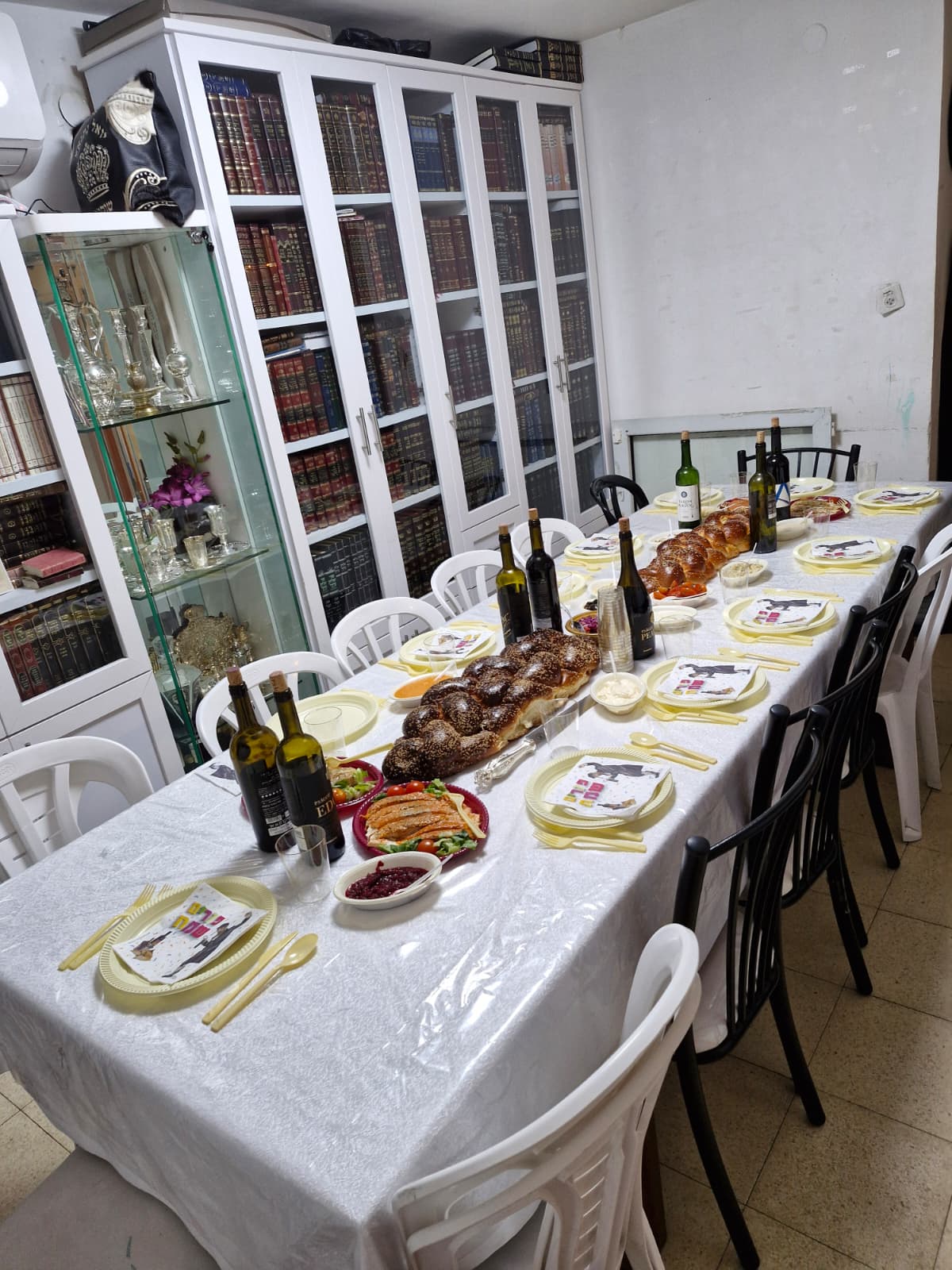
Ways to participate
Help this particular project
Please indicate “Tishrei Seudos” when contributing so that the funds can be directed to this project.
Zelle / Quickpay
Temporarily unavailable
We are working to restore this option as soon as possible. Please use another payment method for now.
Bank transfer and iDEAL
See all general payment options →Contact us privately
Open the Contact page →Photographs
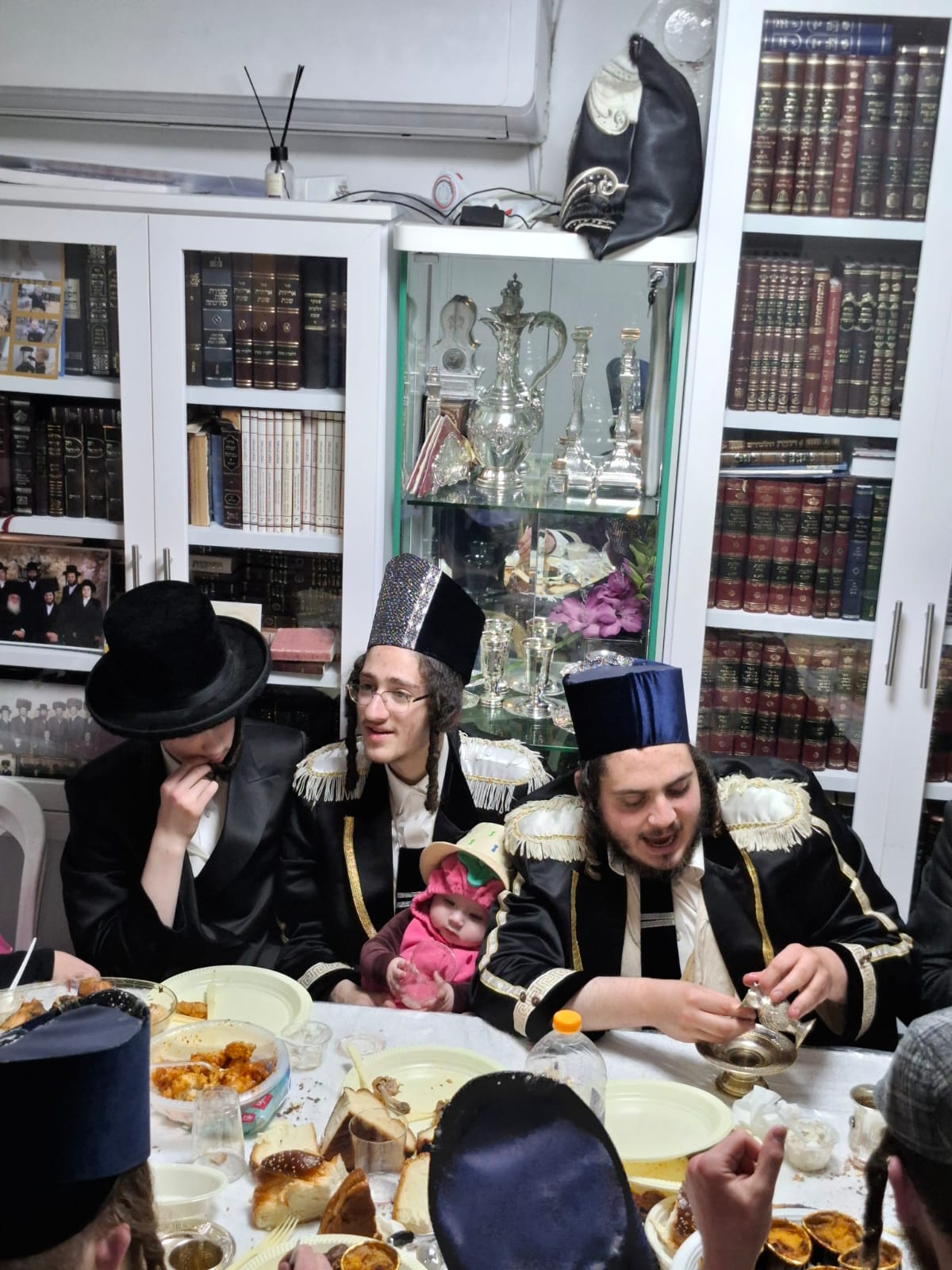
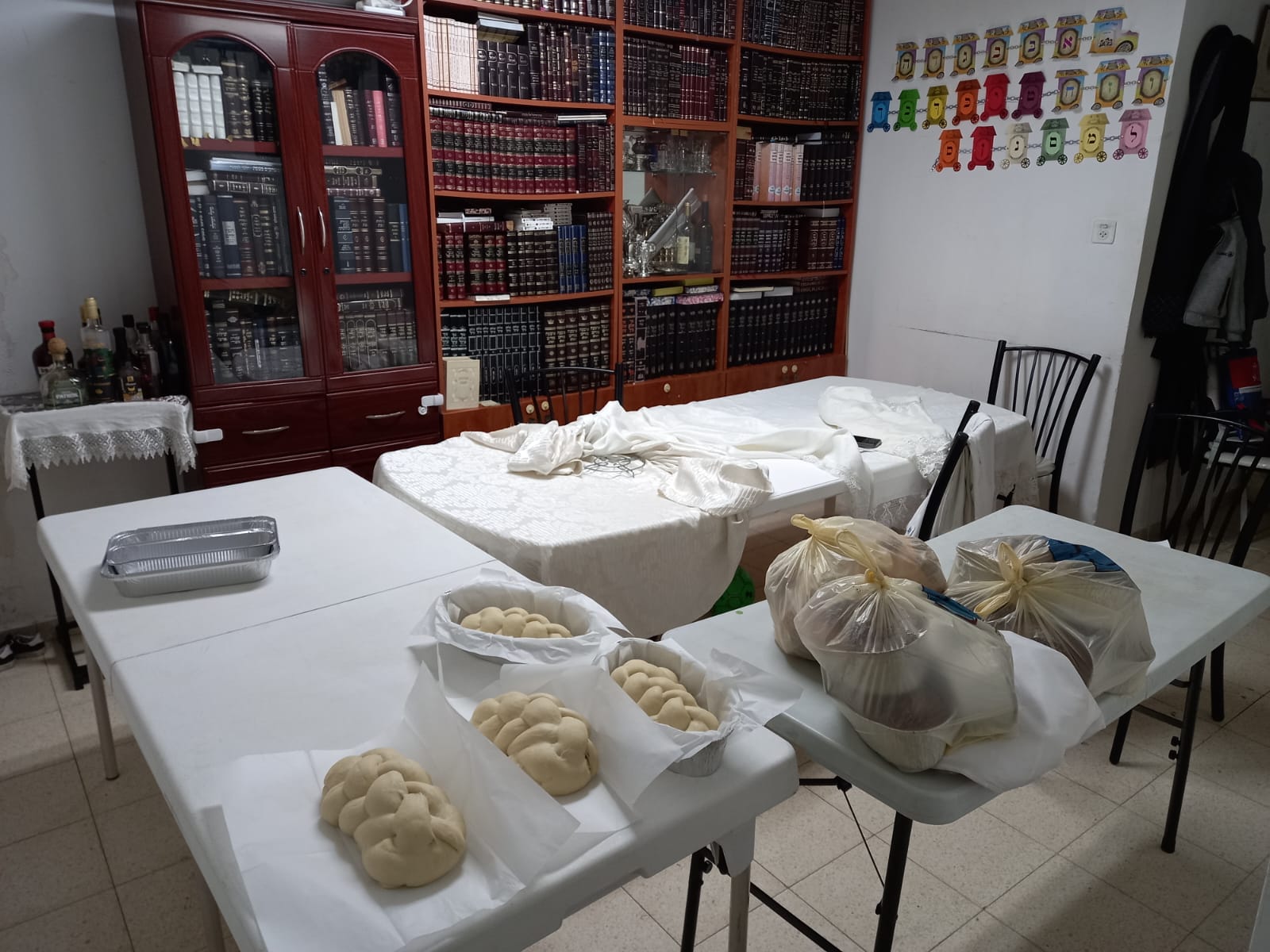
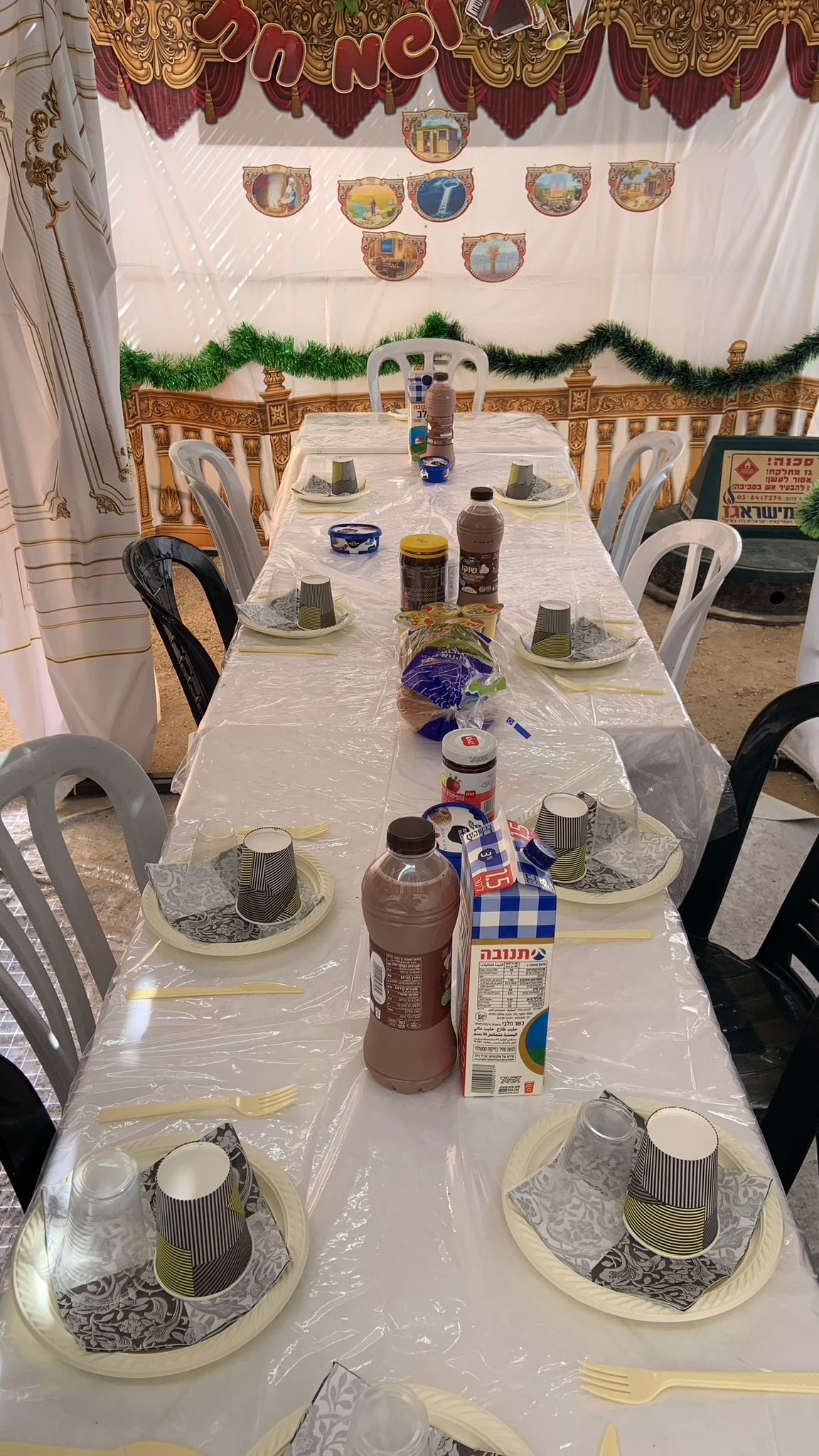
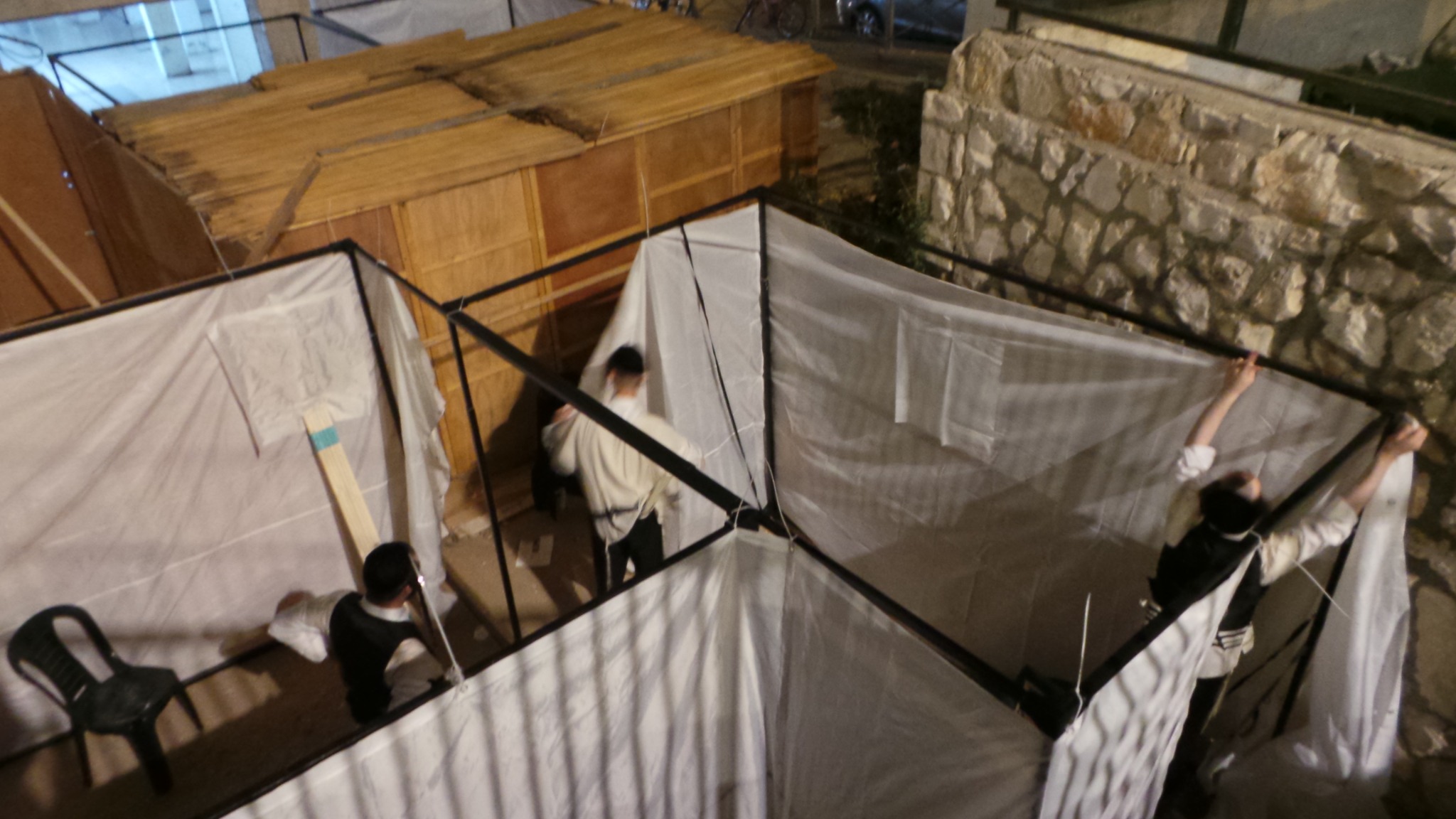
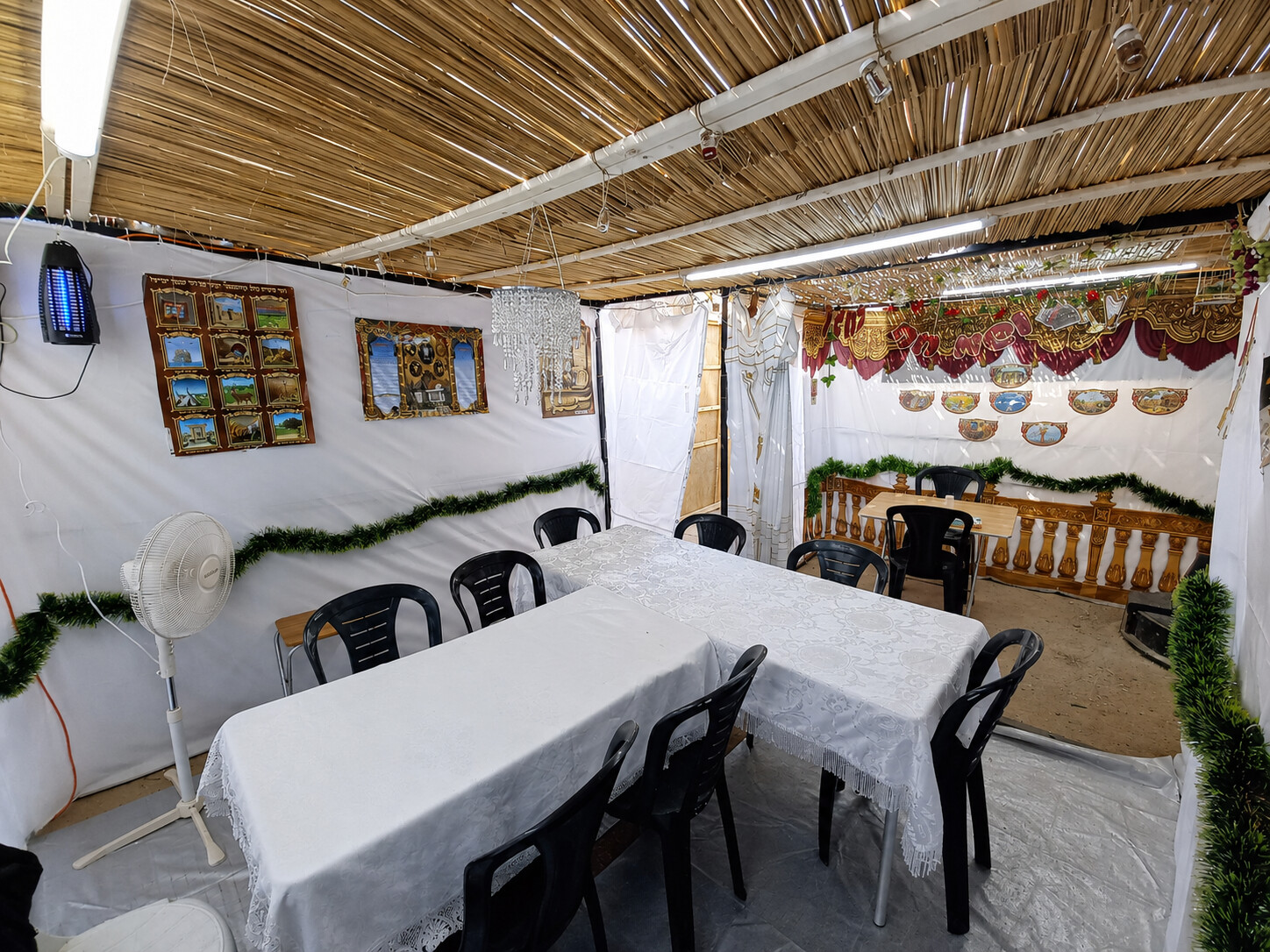
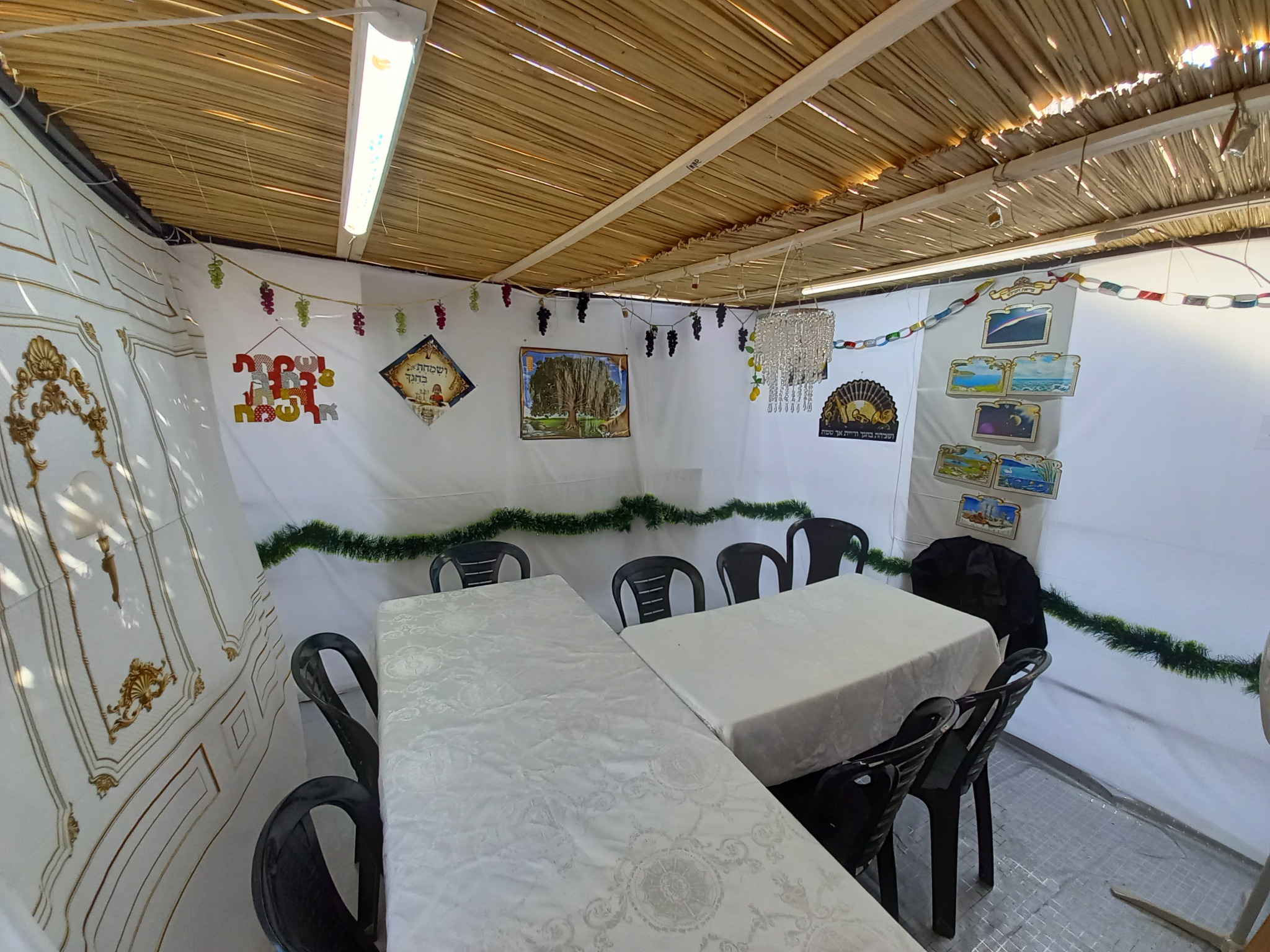
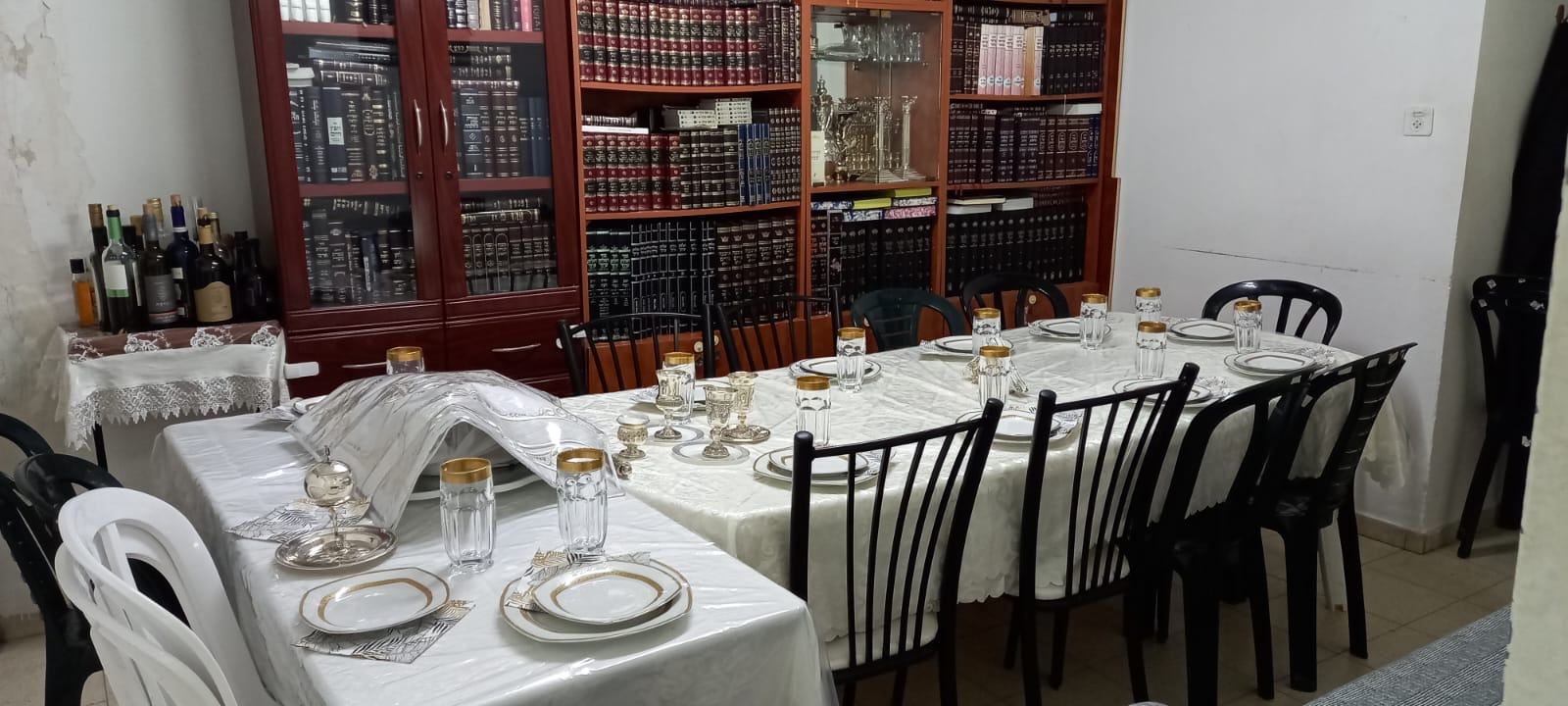
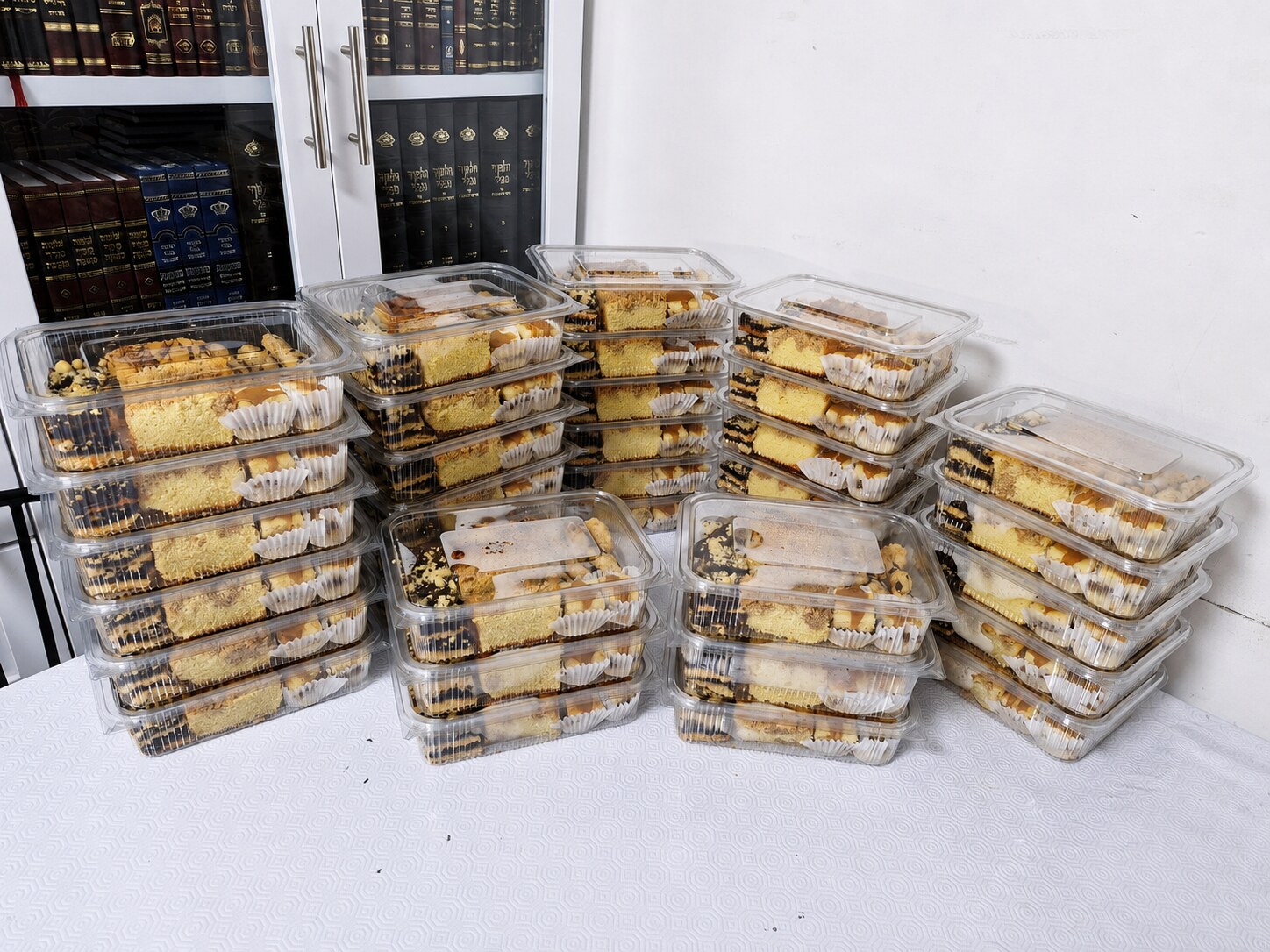
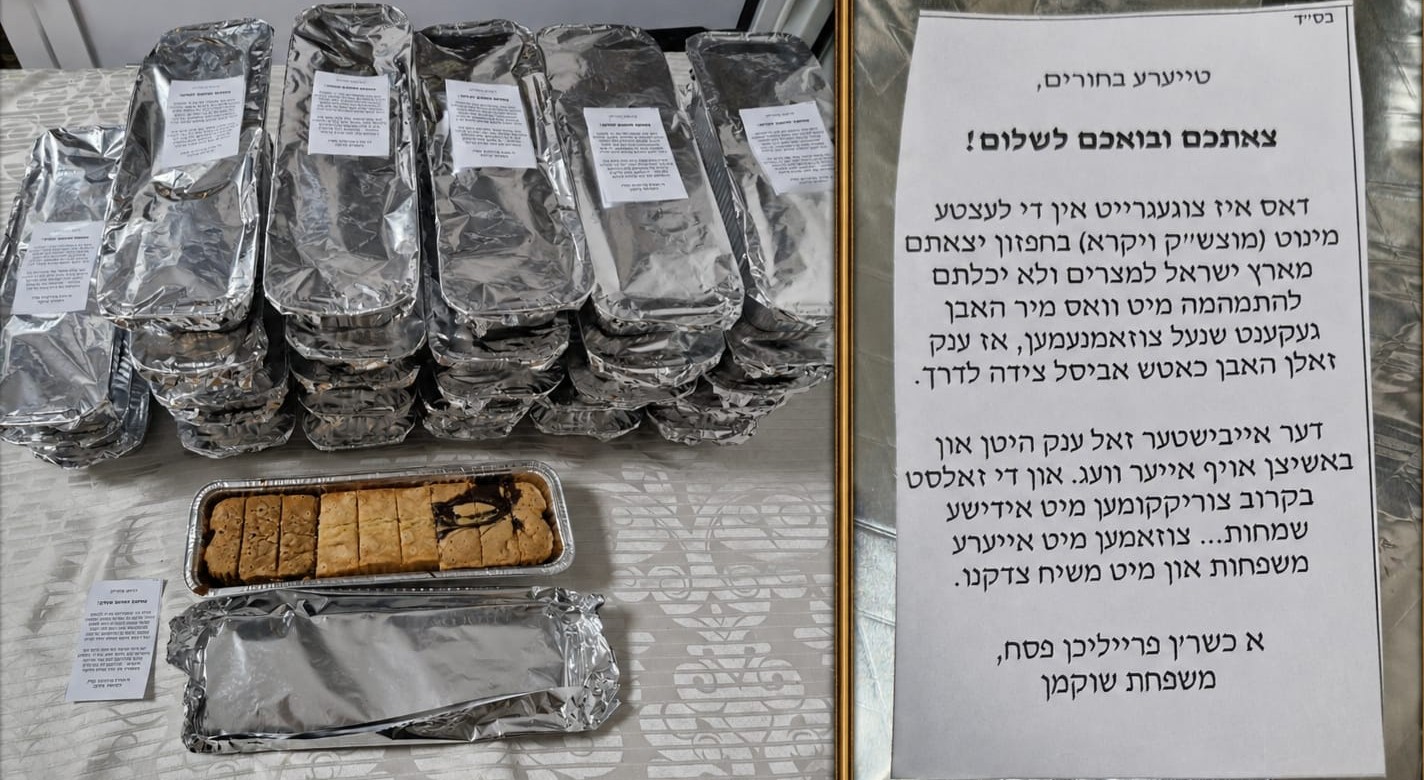
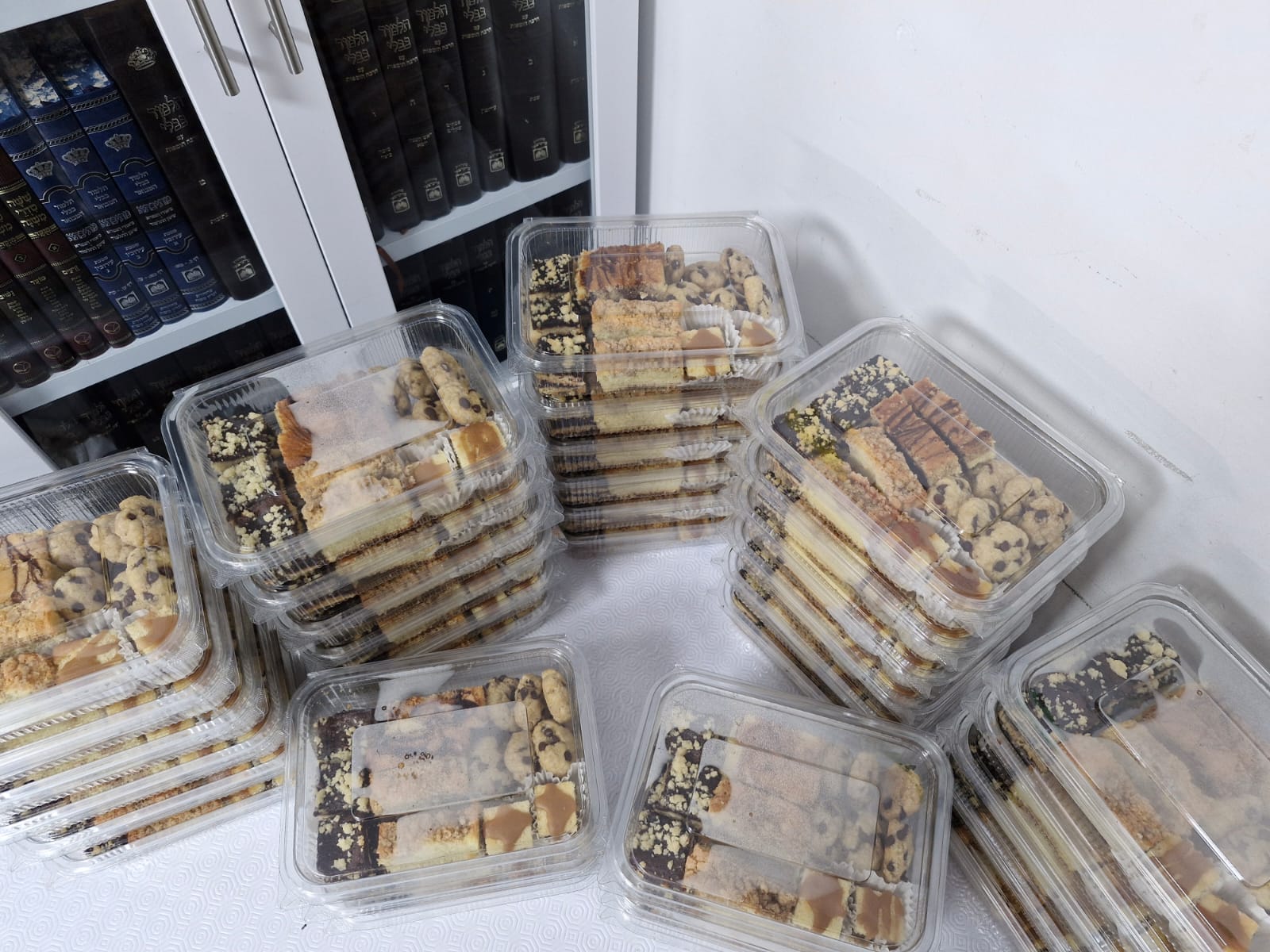
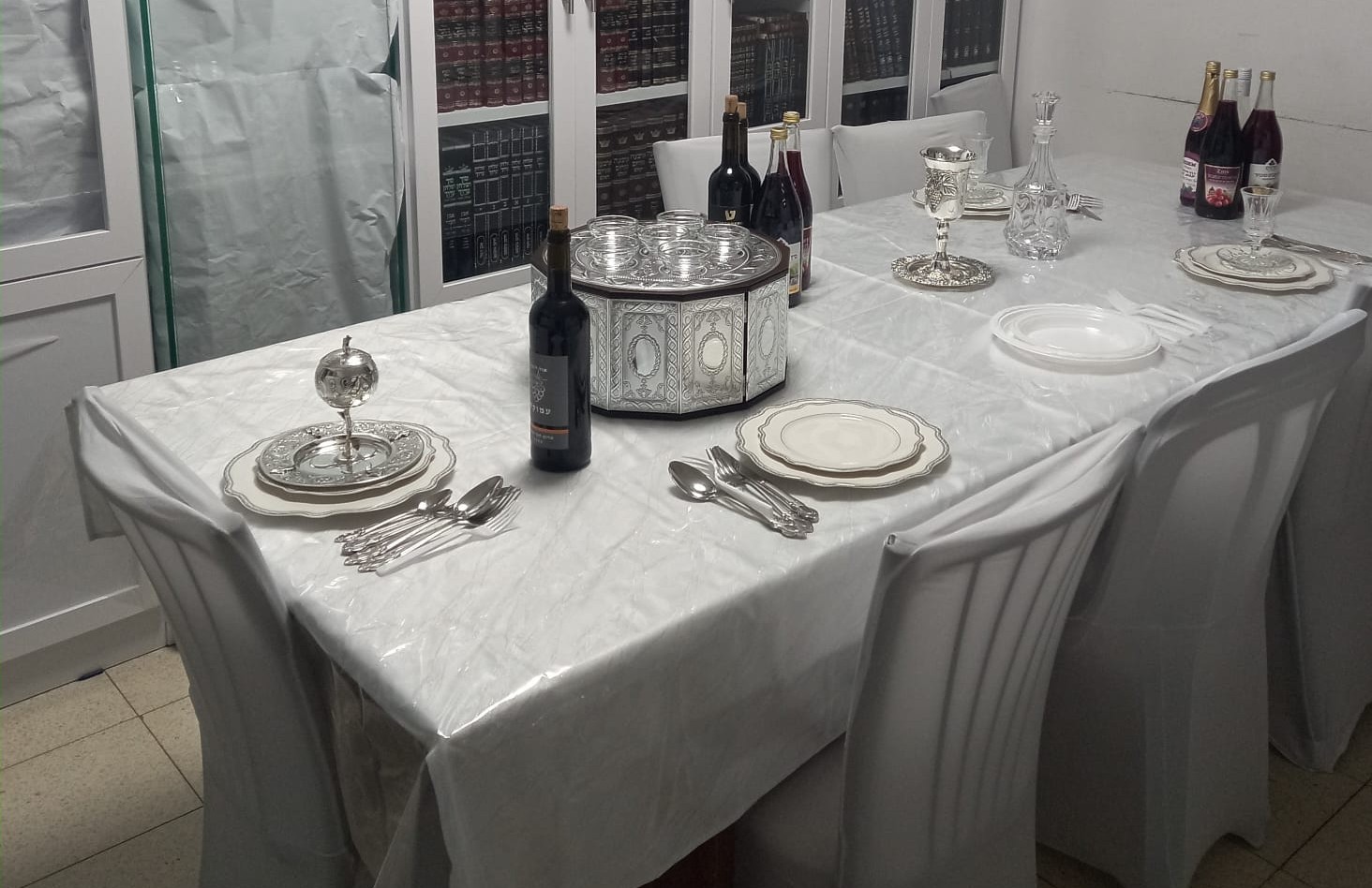
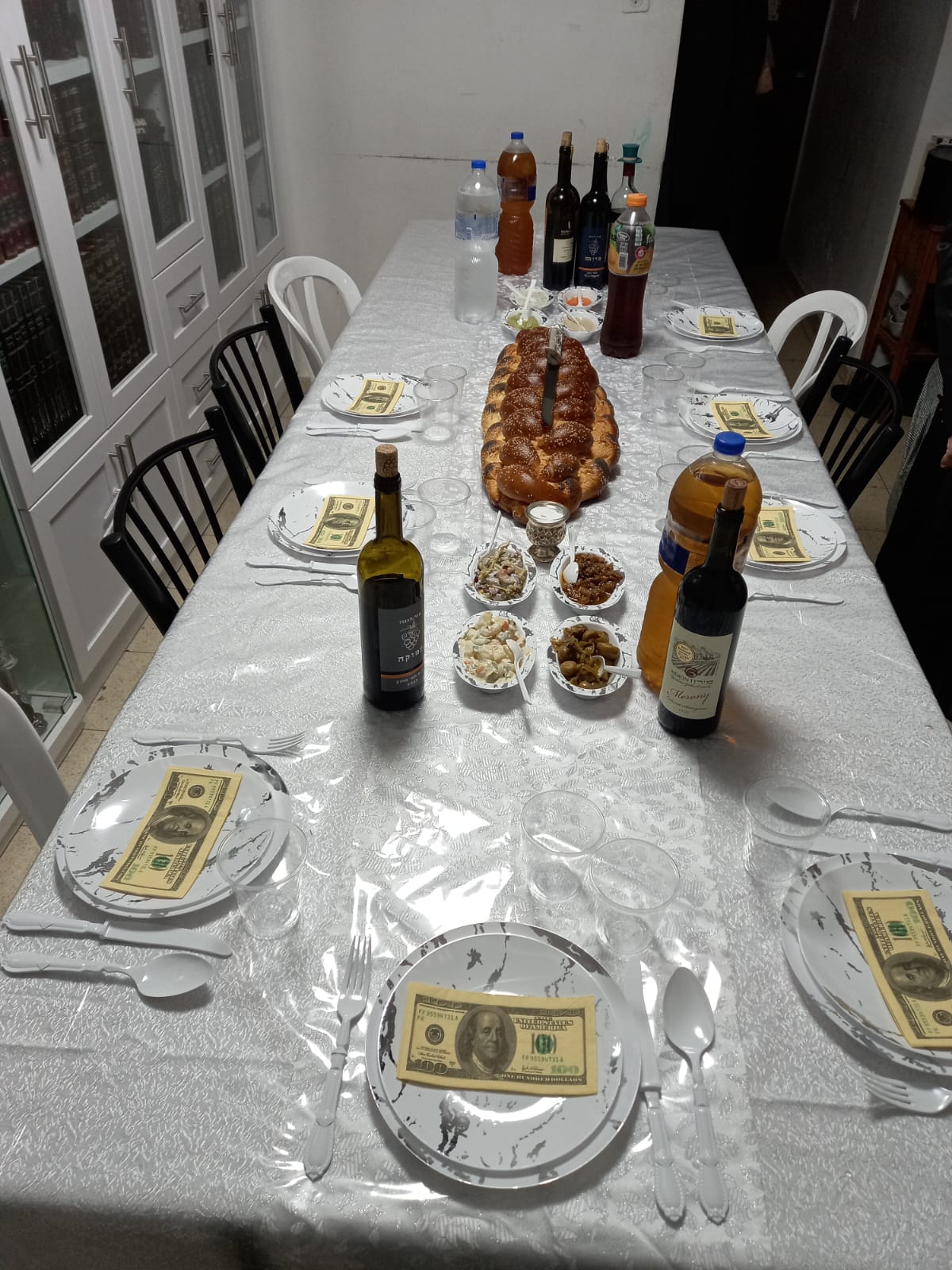
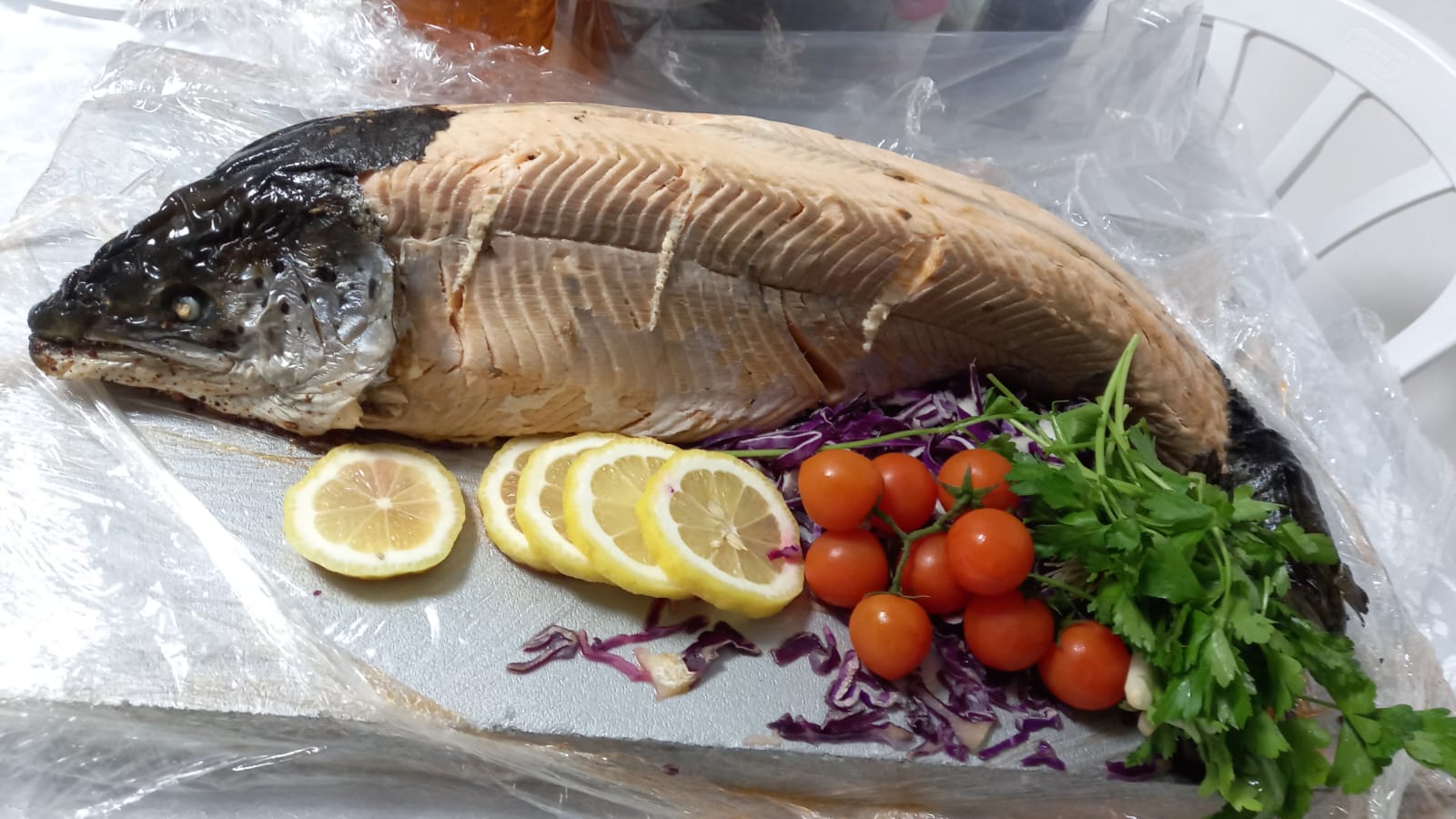
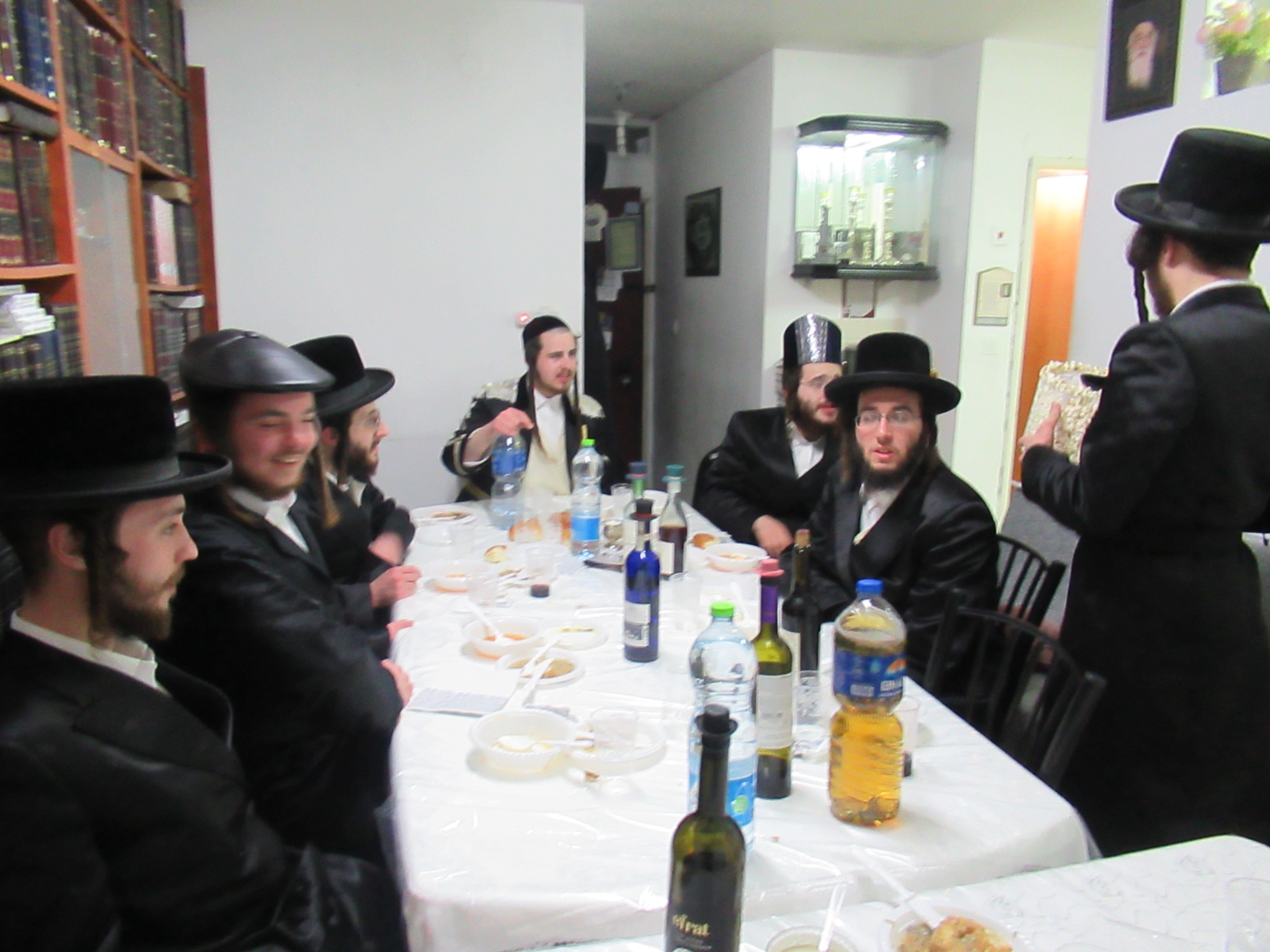
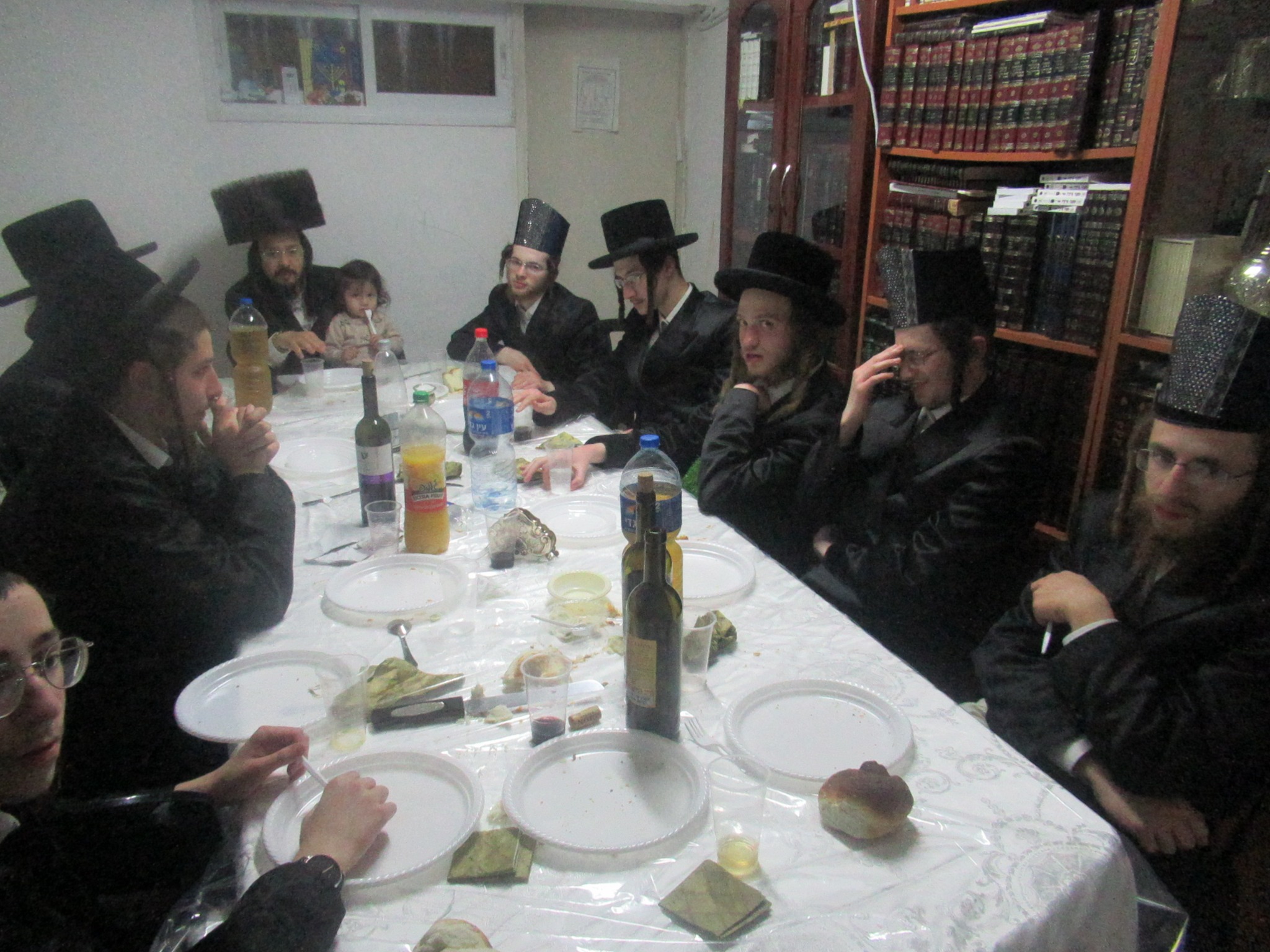
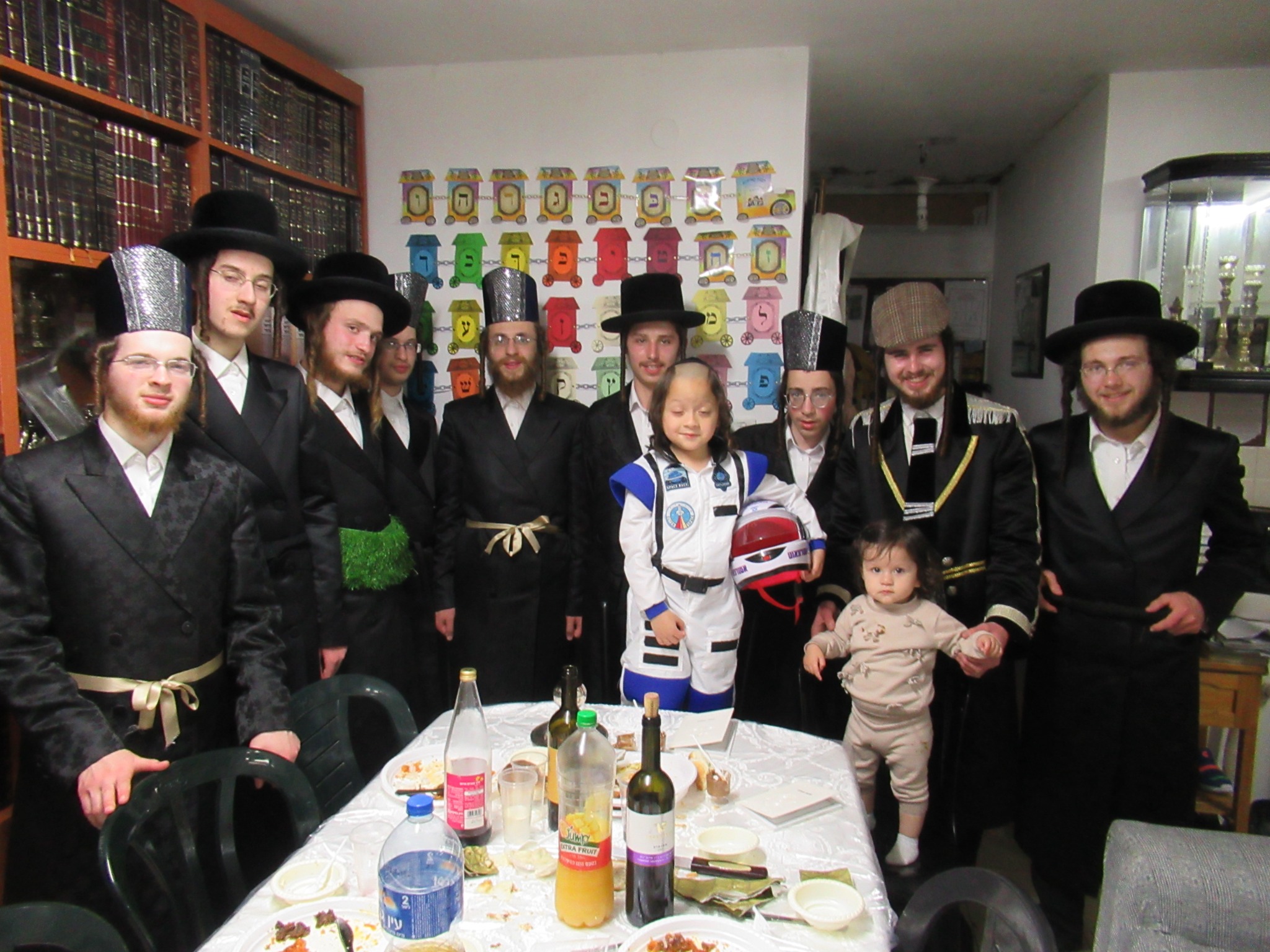
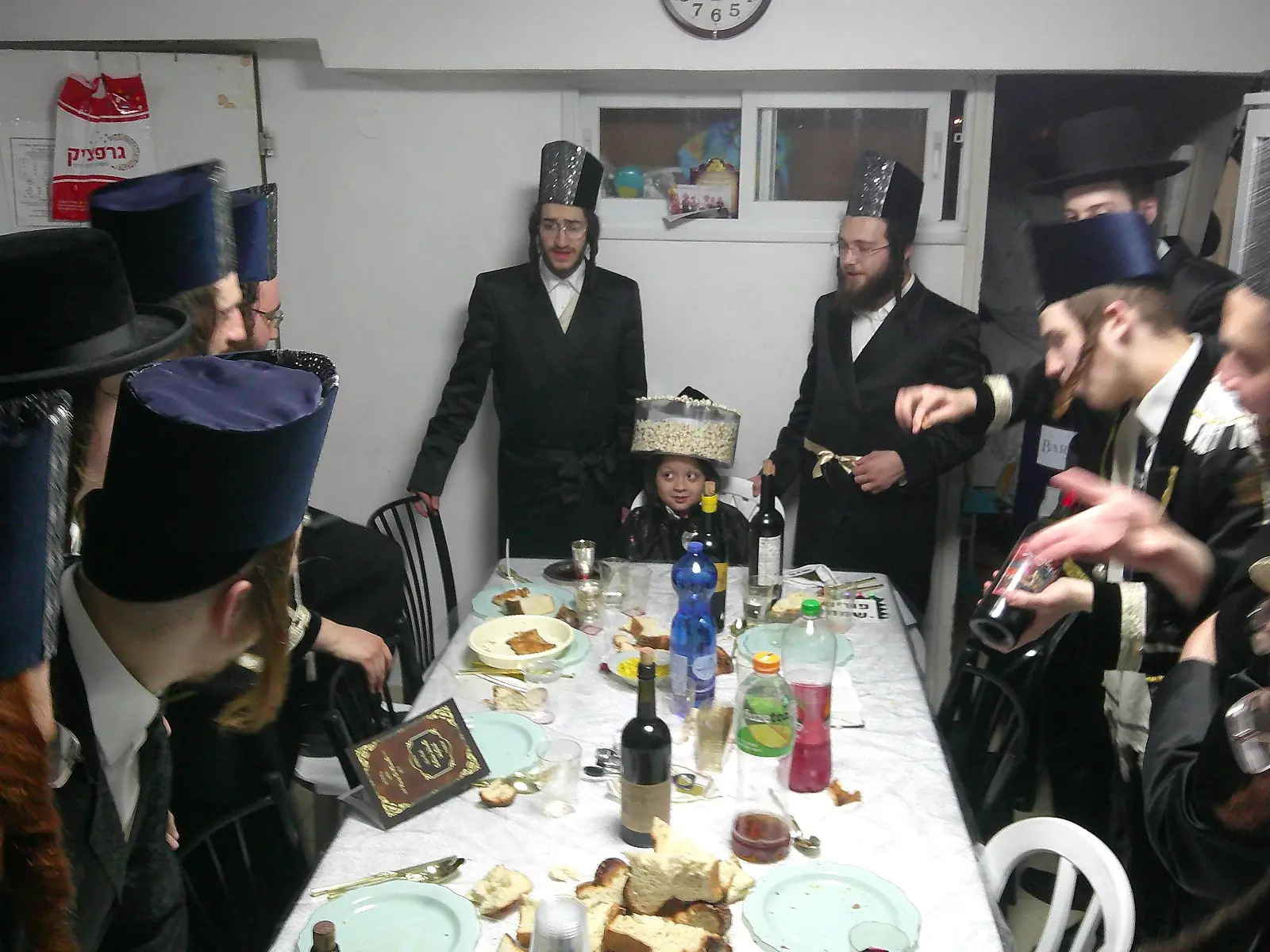
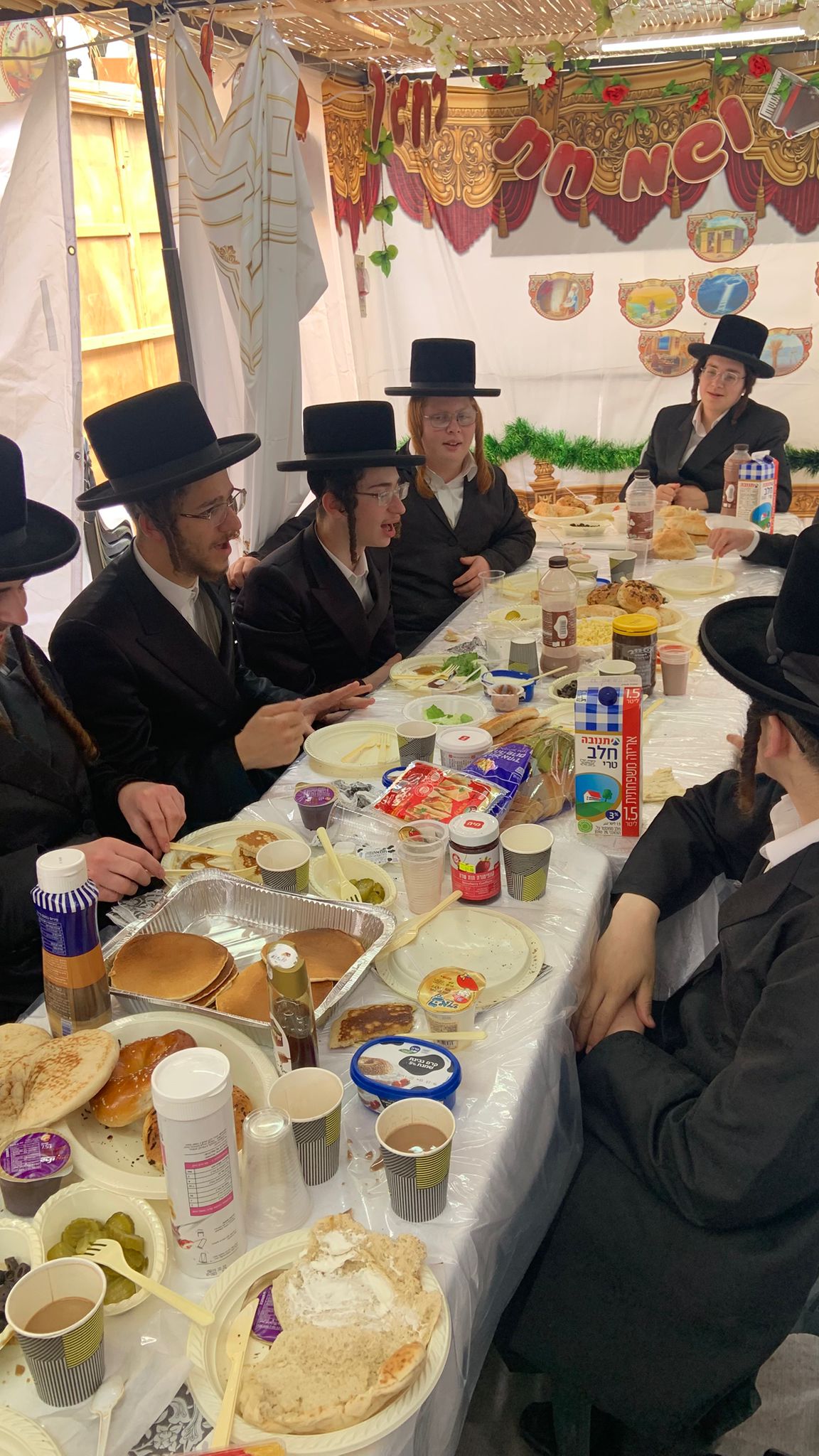
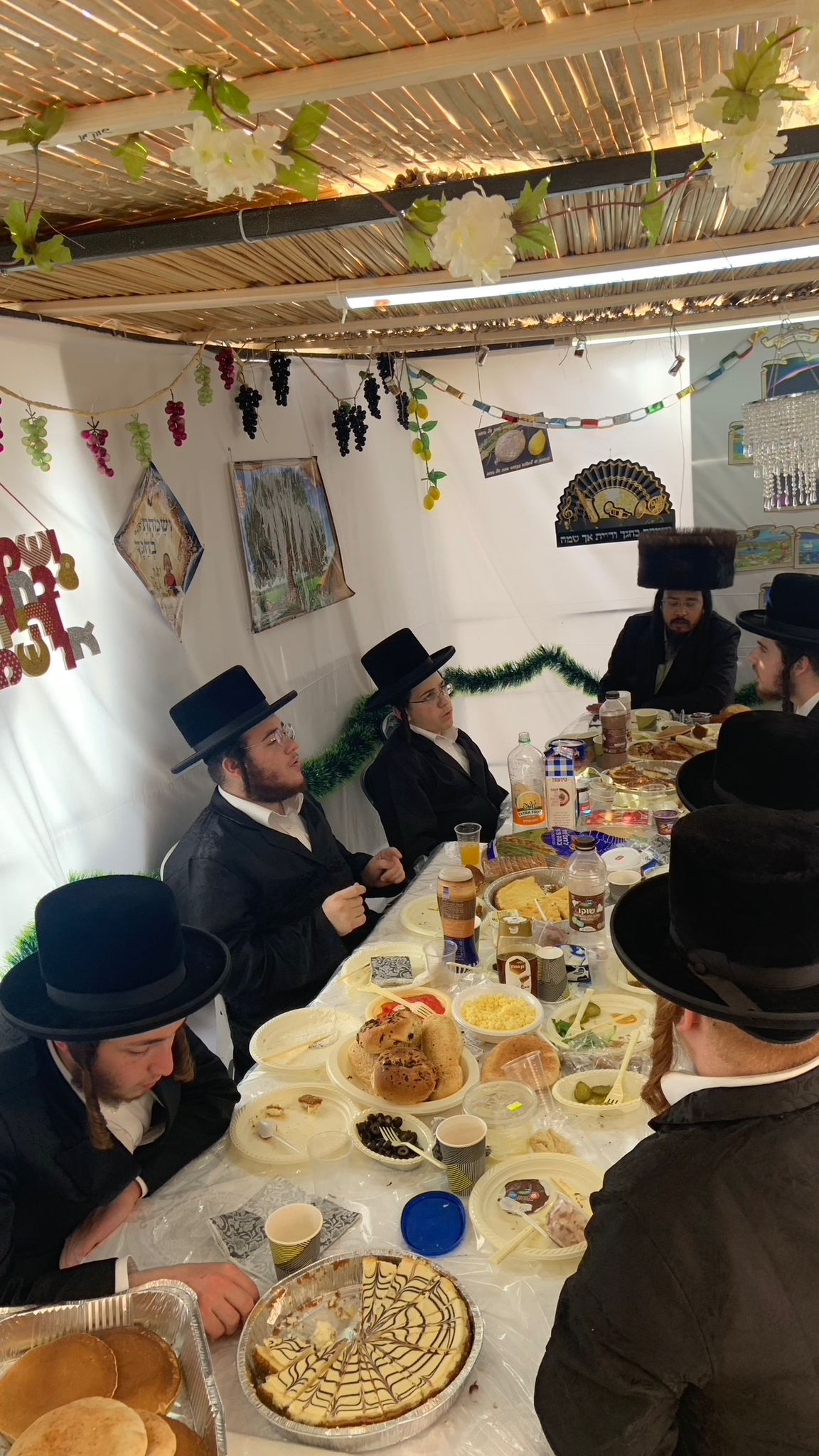
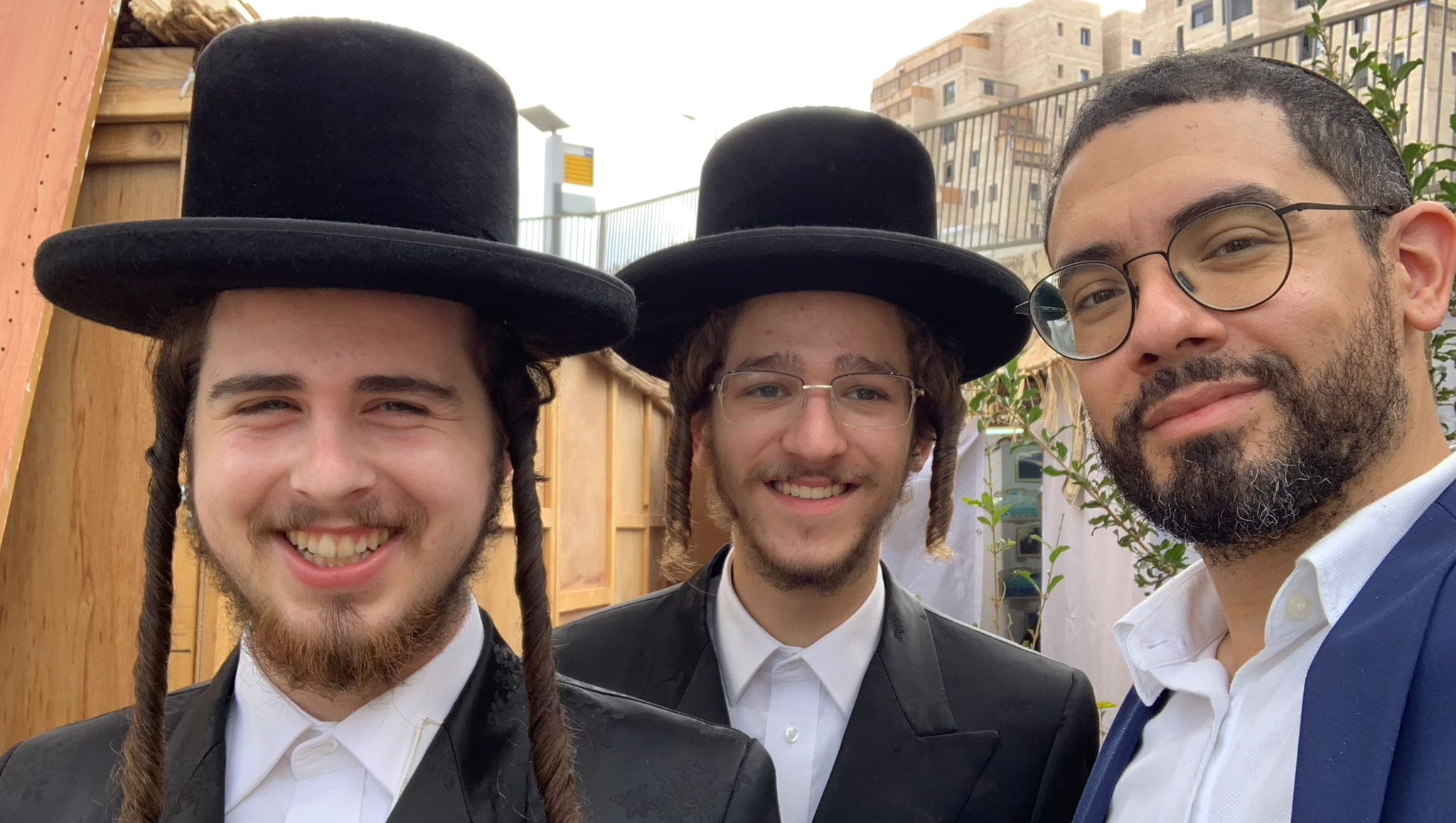
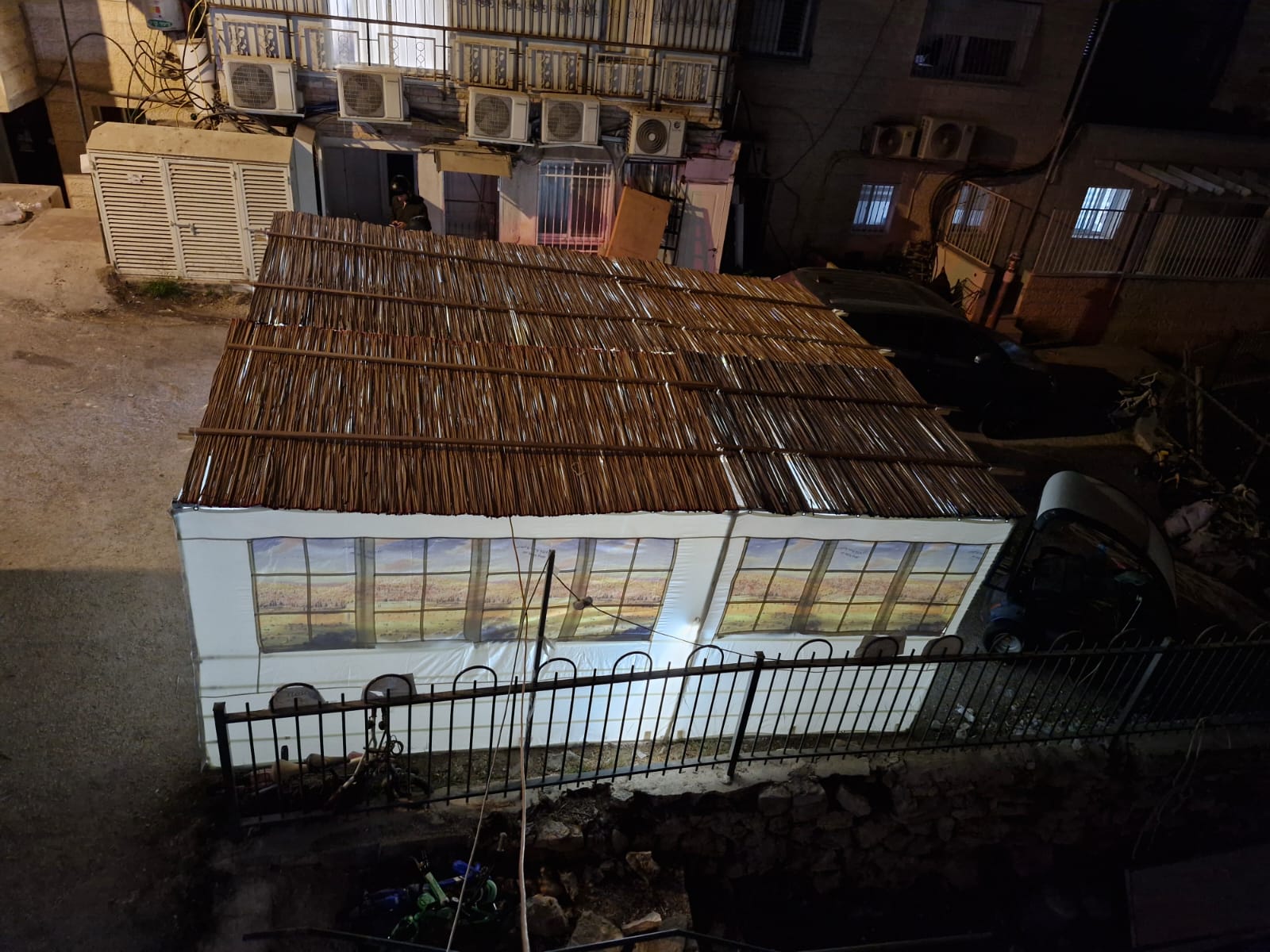
A genuine glimpse of the preparations and atmosphere
We do not take photographs during Shabbos or Yom Tov. Those seudos can therefore be documented only through photographs taken beforehand, such as the prepared tables, food, challos and sukkah. Photographs taken during an actual gathering will be limited to occasions when photography is permitted, such as the Purim seudah or Chol Hamoed.
These photographs come from many different occasions over a period of years. Together, they show that opening our home and preparing for guests has not been a handful of isolated events, but a continuing part of our lives.
Short videos
These recordings were made only on occasions when photography was permitted.
The need
Who will have a place at the table?
As the holy days of Tishrei approach, families throughout the Jewish world prepare to gather around their Yom Tov tables, with festive meals, zemiros, divrei Torah and the familiar warmth of being surrounded by those one loves.
But not everyone has a family table at which to sit.
Many young yeshiva bochurim have come to Eretz Yisrael from communities overseas. They are far from their parents, their own homes and the familiar atmosphere in which they grew up. Others are baalei teshuvah who are courageously building lives of Torah and mitzvos, but whose families do not yet observe Shabbos or Yom Tov. For them, returning “home” does not necessarily mean returning to a Shabbos table.
A Yom Tov seudah that should be filled with simchah can therefore become one of the loneliest moments of the year—unless somebody makes room.
The response
Opening our home throughout Tishrei
For many years, our home has been open on Shabbos and Yom Tov to bochurim from Chassidish and other yeshivos, bochurim from baalei teshuvah yeshivos, geirim, visitors and others who need an appropriate place to eat and feel at home.
This Tishrei, Be’ezras Hashem, we expect to prepare at least eighteen full seudos, ordinarily welcoming between ten and eighteen guests at each meal. This comes to approximately 300 individual places over Rosh Hashanah, the Shabbosim of the month, the meals surrounding Yom Kippur, Sukkos, Chol Hamoed, Shemini Atzeres and Simchas Torah.
Every seudah requires food, drinks, challos, disposable supplies and the many smaller things involved in welcoming a large group with dignity. As a young kollel family, we cannot carry these expenses alone. We therefore invite friends and others who value this work to join us in making the coming Tishrei possible.
Hachnasas orchim
More than providing food
Hachnasas orchim stands at the heart of Jewish life. Avraham Avinu, while still recovering from his bris, sat at the entrance of his tent in the heat of the day, hoping to welcome guests. From his example, Chazal teach:
גדולה הכנסת אורחים מהקבלת פני שכינה“Welcoming guests is greater than receiving the Divine Presence.” — Shabbos 127aThe Rambam writes that the simchah of Yom Tov cannot be confined to one’s own household while those who are alone or in need are forgotten. A guest does not need food alone. He needs to know that somebody noticed his absence, prepared a place for him and is genuinely pleased that he came. That sense of belonging is what we try to create at every seudah.
Who joins us
A home away from home
- bochurim from Chassidish and other established yeshivos
- bochurim studying in baalei teshuvah yeshivos
- young men whose families live overseas
- geirim without a Jewish family with whom to spend Yom Tov
- baalei teshuvah whose relatives do not yet keep Shabbos or Yom Tov
- visitors in Yerushalayim without an appropriate place for the seudah
- others who need the warmth and stability of a family table
Over the years, former guests have sent us their wedding photographs and written that they still remember the warmth of the Shabbos and Yom Tov tables they experienced in our home. Parents have contacted us to say that we created a home away from home for their son. A meal lasts a few hours; the knowledge that one was wanted and remembered can remain for many years.
The coming Tishrei
Approximately 300 places in one month
- at least 18 complete Shabbos and Yom Tov seudos
- approximately 10–18 guests at each meal
- roughly 300 individual places over Tishrei
- meals for bochurim, geirim, baalei teshuvah and guests from overseas
- a full family atmosphere, with zemiros, divrei Torah and the dignity of a proper Yom Tov seudah
Minimum needed for the essential Tishrei seudos expenses₪13,000 (approximately €3,754 / US$4,325)Full campaign goal₪16,000 (approximately €4,621 / US$5,323)
The full goal will enable us to prepare all the meals generously, accommodate unexpected guests and avoid reducing either the quality or quantity of what is served.
Euro and US dollar equivalents are approximate, based on the Bank of Israel representative exchange rates published 7 August 2026, and will vary with the exchange rate.Ways to participate
You do not need to have money in order to help
Financial support is only one way to participate. You can also share this project with relatives, friends or others who may value the opportunity; approach somebody who may wish to help; or assist us in reaching the right people.
The Vizhnitzer Rebbe related during the midday tisch on Parashas Behaaloscha in Moshav Ora:
גיין נאך געלט פאר אידן
איך האב געהערט פון הרה״ח ר׳ ברוך ולצר ז״ל, אז ווען ער איז נאך געווען יונג האט אים דער זיידע הרה״ק בעל אמרי חיים זי״ע געבעטן א סכום געלט פאר א וויכטיגן צדקה צוועק. האט אים רבי ברוך געענטפערט אז ער האט נישט גענוג געלט פאר דעם פארלאנגטן צוועק.
האט אים דער זיידע געזאגט: ״איך האב נישט געמיינט צו זאגן אז דו זאלסט מיר געבן דעם סכום; איך האב געמיינט אז דו זאלסט שאפן דעם סכום ביי אנדערע אידן.״
ווען דער זיידע האט געזען אויף זיין פנים אז עס שמעקט אים נישט אזוי, האט דער זיידע זיך געגעבן א רוף אן: ״אוי וויי, דו וואלסטו מיר זאגן אז דו ביסט נאך קיינמאל נישט געגאנגען פאר אידנס וועגן נאך געלט...״
תיכף ומיד איז ער געגאנגען צו זיין שכן ר׳ יוסף חיים ישראל קימרלינג ז״ל, און זיי זענען צוזאמען ארומגעגאנגען נאך געלט, ביז זיי האבן צוזאמגעשטעלט דעם גאנצן סכום.
האט אים דער זיידע געזאגט: ״איך האב נישט געמיינט צו זאגן אז דו זאלסט מיר געבן דעם סכום; איך האב געמיינט אז דו זאלסט שאפן דעם סכום ביי אנדערע אידן.״
ווען דער זיידע האט געזען אויף זיין פנים אז עס שמעקט אים נישט אזוי, האט דער זיידע זיך געגעבן א רוף אן: ״אוי וויי, דו וואלסטו מיר זאגן אז דו ביסט נאך קיינמאל נישט געגאנגען פאר אידנס וועגן נאך געלט...״
תיכף ומיד איז ער געגאנגען צו זיין שכן ר׳ יוסף חיים ישראל קימרלינג ז״ל, און זיי זענען צוזאמען ארומגעגאנגען נאך געלט, ביז זיי האבן צוזאמגעשטעלט דעם גאנצן סכום.
Going to Collect Money for Fellow Jews
“I heard from Reb Boruch Valtzer, of blessed memory, that when he was still young, my grandfather, the holy Imrei Chaim, asked him for a sum of money for an important charitable cause.
“Reb Boruch replied that he did not have enough money. The Zeide answered: ‘I did not mean that you should give me the sum yourself. I meant that you should raise it from other Yidden.’
“When the Zeide saw that the idea did not particularly appeal to him, he cried out: ‘Oy vey! You mean to tell me that you have never yet gone out to collect money on behalf of fellow Jews?’
“Immediately, Reb Boruch went to his neighbour, Reb Yosef Chaim Yisrael Kimerling, of blessed memory. Together they went around collecting until they had raised the entire sum.”
The lesson is not that everyone must become a public fundraiser. We need not conclude, “We cannot afford the required sum, so there is nothing we can do.” Sharing a project, making an introduction, arranging a discount, providing transport or helping with one practical part can itself make the undertaking possible.
With gratitude
Thank you for helping us open our home and our table during these special days. In the zechus of this mitzvah, may you and your family be blessed with good health, genuine simchah, abundant Yiddishe nachas and the ability always to help others מתוך הרחבה.
May we soon merit the coming of the Goel Tzedek and the rebuilding of the Beis Hamikdash, במהרה בימינו אמן.
Why this work is undertaken
Chessed is personal.
Most of these projects did not begin as “campaigns.” They began with a person, a family or a practical need.
Over the years, our home has been opened to yeshiva bochurim from Chassidish and baalei teshuvah yeshivos, geirim, visitors and others needing a place for Shabbos or Yom Tov. At other times, our involvement has meant preparing a wedding or another simchah, supporting a household through a difficult period, arranging food or clothing, or helping somebody preserve a life of Torah and mitzvos under challenging circumstances.
Sometimes the need is financial. At other times it is emotional or practical. It may require time, telephone calls, arrangements, transportation, finding the right person or simply accepting responsibility until the matter is settled.
לבך וידך was created so that friends and others who wish to participate can understand each need clearly and help appropriately.
Who is behind these projects?
We are not a large organisation with staff or an established network of major donors. We are simply a kollel family in Yerushalayim trying, with Hashem’s help, to respond when a need reaches us.
We do not personally know any gevirim (wealthy donors) to whom we can turn. Instead, we approach friends, acquaintances and others who may wish to help, or who may know somebody else who can.
In this way, each project becomes a partnership between ordinary people: one person identifies a need, another contributes, somebody else shares the appeal, and together we are able to provide help that none of us could provide alone. In doing so, the mitzvah of helping becomes yours as well.
Direct your help clearly
Choose a project to support
Because several projects may be active simultaneously, please first choose the project you intend to support. Different projects may use different payment destinations.
active
A Place at Our Table — Tishrei 5787
Approximately eighteen Shabbos and Yom Tov seudos, welcoming ten to eighteen guests at each meal—roughly 300 places over one month.
active
Supporting an Almanah — a Giyores — and Her Family
Following two devastating diagnoses, this campaign helps an almanah and the children caring for her address medical debts, overdue rent and continuing household needs.
active
The Simchah Fund
A standing kupah enabling us to help families make weddings, sheva brachos, bar mitzvahs, brissim and other simchos with warmth and dignity.
General payment options
Other ways to contribute
Please include the project name with every contribution. For the almanah campaign, payments made through the official Chesed Fund links are US tax deductible.
Official payment notice: Donate only through payment details published on libchaveyadcha.org or nl.libchaveyadcha.org. If you receive different instructions, please contact us before sending money.
Project designation: Contributions clearly designated for a particular project will be restricted to that project.
PayPal
https://www.paypal.com/paypalme/shabbosmeals →iDEAL — Dutch banks only
Pay securely with iDEAL →Zelle / Quickpay
Temporarily unavailable
We are working to restore this option as soon as possible. Please use another payment method for now.
Dutch bank account
NL31 INGB 0685 7498 86
Israeli bank account
Mercantile (17), branch 746, account 081578646
Cash in Yerushalayim
Please contact us to arrange
US tax-deductible
Congregation Beis Yehoshua (EIN 11-3380149), c/o Schukkmann / Haltovsky — notify us when using this option
You do not need money in order to help
Every person can take part
Giving from one’s own pocket is only one form of help. A person may introduce a need to others, approach friends who may wish to participate, arrange a discount, provide transport, share the project privately with an appropriate group or help with one practical part.
The Vizhnitzer Rebbe related the following during the midday tisch on Parashas Behaaloscha in Moshav Ora:
גיין נאך געלט פאר אידן
איך האב געהערט פון הרה״ח ר׳ ברוך ולצר ז״ל, אז ווען ער איז נאך געווען יונג האט אים דער זיידע הרה״ק בעל אמרי חיים זי״ע געבעטן א סכום געלט פאר א וויכטיגן צדקה צוועק. האט אים רבי ברוך געענטפערט אז ער האט נישט גענוג געלט פאר דעם פארלאנגטן צוועק.
האט אים דער זיידע געזאגט: ״איך האב נישט געמיינט צו זאגן אז דו זאלסט מיר געבן דעם סכום; איך האב געמיינט אז דו זאלסט שאפן דעם סכום ביי אנדערע אידן.״
ווען דער זיידע האט געזען אויף זיין פנים אז עס שמעקט אים נישט אזוי, האט דער זיידע זיך געגעבן א רוף אן: ״אוי וויי, דו וואלסטו מיר זאגן אז דו ביסט נאך קיינמאל נישט געגאנגען פאר אידנס וועגן נאך געלט...״
תיכף ומיד איז ער געגאנגען צו זיין שכן ר׳ יוסף חיים ישראל קימרלינג ז״ל, און זיי זענען צוזאמען ארומגעגאנגען נאך געלט, ביז זיי האבן צוזאמגעשטעלט דעם גאנצן סכום.
האט אים דער זיידע געזאגט: ״איך האב נישט געמיינט צו זאגן אז דו זאלסט מיר געבן דעם סכום; איך האב געמיינט אז דו זאלסט שאפן דעם סכום ביי אנדערע אידן.״
ווען דער זיידע האט געזען אויף זיין פנים אז עס שמעקט אים נישט אזוי, האט דער זיידע זיך געגעבן א רוף אן: ״אוי וויי, דו וואלסטו מיר זאגן אז דו ביסט נאך קיינמאל נישט געגאנגען פאר אידנס וועגן נאך געלט...״
תיכף ומיד איז ער געגאנגען צו זיין שכן ר׳ יוסף חיים ישראל קימרלינג ז״ל, און זיי זענען צוזאמען ארומגעגאנגען נאך געלט, ביז זיי האבן צוזאמגעשטעלט דעם גאנצן סכום.
Going to Collect Money for Fellow Jews
“I heard from Reb Boruch Valtzer, of blessed memory, that when he was still young, my grandfather, the holy Imrei Chaim, asked him for a sum of money for an important charitable cause.
“Reb Boruch replied that he did not have enough money. The Zeide answered: ‘I did not mean that you should give me the sum yourself. I meant that you should raise it from other Yidden.’
“When the Zeide saw that the idea did not particularly appeal to him, he cried out: ‘Oy vey! You mean to tell me that you have never yet gone out to collect money on behalf of fellow Jews?’
“Immediately, Reb Boruch went to his neighbour, Reb Yosef Chaim Yisrael Kimerling, of blessed memory. Together they went around collecting until they had raised the entire sum.”
The lesson is not that everyone must become a public fundraiser. We need not conclude, “We cannot afford the required sum, so there is nothing we can do.” Sharing a project, making an introduction, arranging a discount, providing transport or helping with one practical part can itself make the undertaking possible.
Prefer to speak privately?
Some projects require explanation that cannot responsibly be placed on a public website. You are welcome to contact us before contributing or offering another form of assistance.
Open the private contact form